
From Olympics to Your Bedroom: “But We Used a Condom!” Shock
Contents of This Post:
- Even the World’s Top Athletes Need a Backup Plan
- The Clearblue Shock: “But We Did Everything Right!”
- The Relatable Reality of “Typical Use”
- Efficiency Checklist: Mastering the “Perfect Use”
- Abortion in India: Your Plan ‘B’ when Protection Plan Fails
Even the World’s Top Athletes Need a Backup Plan
If you’ve been following the news from the Milano Cortina 2026 Winter Olympics, you might have seen a headline that sounds more like a romantic comedy plot than a sports report:
The Olympic Village ran out of condoms in just three days.
Yes, you read that right. Despite being world-class athletes at the peak of human performance, the 2,800 competitors in Italy managed to burn through a “strategic stock” of 10,000 condoms faster than a downhill skier on fresh powder. IOC spokesperson Mark Adams quipped,
“Valentine’s Day is in full swing in the village… You can go figure.”
But why are there condoms at the Olympics in the first place? It’s not just a “wild village” rumour; it’s a public health legacy that started at the 1988 Seoul Games. During the height of the HIV/AIDS crisis, officials realised that bringing thousands of young, healthy, and—let’s be honest—very fit people together required a proactive safety net. Since then, it’s been an Olympic tradition, with Rio 2016 handing out a staggering 450,000 condoms at the Olympics Village!
But here’s the irony: even at the Olympics, where protection is literally “gold-standard” and handed out for free, people still worry. Because outside the flashy headlines, there is a much quieter, much more stressful conversation happening in bedrooms across the world—and maybe in yours right now.
The Clearblue Shock: “But We Did Everything Right!”
It almost always happens in the absolute quiet of a bathroom. You are sitting on the edge of the tub or staring at the sink, watching the tiny window on a Clearblue digital test in Dubai, waiting for a Sensitif strip to change colour in Jakarta, or gripping a Pink Check kit in Manila. You tell yourself it’s just stress delaying your period. Then, the two pink lines appear. Or the tiny digital screen flashes the word: Pregnant.
The immediate reaction isn’t joy. Rather, it’s a cold, sinking feeling in your chest. Then, your brain instantly goes into a frantic rewind, playing back every moment of intimacy over the last month.
“But we used a condom.”
“Also, I watched him put it on.”
“Furthermore, we even checked the wrapper and the expiration date.”
“No, it didn’t break even… did it?”
The shock is paralysing because you actively tried to be responsible. You didn’t leave it to chance, yet here you are, feeling betrayed by the very tool that promised to protect you.
The Silent Panic of the Unmarried Woman:
If you are unmarried, that shock quickly morphs into pure survival mode. Society has conditioned us to attach immense stigma to unplanned pregnancies outside of marriage. So, a dozen “What Ifs” hit you all at once: What if my parents find out? Then, what if this ruins my career or my studies? Also, what will people say about my character?
You feel incredibly isolated, terrified to confide even in your closest friends because the judgment feels too heavy to bear. Although you did the “right” thing by protecting yourself, but society won’t see the torn condom; they will only see the positive test.
The Guilt of the Married Couple
But let’s be entirely candid: this shock isn’t reserved for single women. Married couples face a uniquely silent struggle. Perhaps you just had a baby, and your body hasn’t recovered. Perhaps your finances are stretched to the breaking point, or your marriage is going through a rough patch.
So, when a married woman looks at those two lines and feels dread instead of joy, a profound sense of guilt follows. Society expects you to be thrilled. So, admitting that you do not want this pregnancy—even though you are married—can feel like a taboo you aren’t allowed to voice.
Then, the Legal and Geographical Nightmare
Furthermore, this psychological weight is multiplied by a thousand if you live in countries with highly restrictive abortion laws. If you are an expat in Kuwait or the UAE, Bahrain, Oman, Qatar or living in the Philippines, Indonesia, Singapore, Maldives, Malaysia, Mauritius, Sri Lanka, or anywhere staring at that positive pregnancy test triggers a very real, legal terror.
You know you cannot just walk into a local clinic and ask for help. Also, the fear of criminalisation, deportation, or public exposure forces women into dark corners. Besides, you start frantically Googling “home remedies” like papaya for abortion or considering unsafe, clandestine abortion pill vendors online because the system leaves you no legal way out.
But even if you live in a country with entirely liberal abortion laws, the worry doesn’t magically disappear. Firstly, deciding to terminate a pregnancy is rarely an easy, flippant choice. Then, it requires you to navigate your own morals, your relationship dynamics, and your vision for your future. So, it is a major life event.
Right now, you might feel stupid, irresponsible, or cursed. But you are none of those things.
You simply fell into the 13% “typical use” failure rate. Biology outsmarted a piece of latex. Moreover, it happens to thousands of smart, responsible people every single day. The most important thing to remember right now is to breathe. Also, you do not have to let a split-second contraceptive failure dictate the rest of your life, and you certainly do not have to risk your life with unsafe, underground methods. You have some better choices, the ones that are going to thank you ahead in future. We’ll come to them ahead in the post.
The Relatable Reality of “Typical Use”: Science Always Meets Human Nature in the Bedroom!
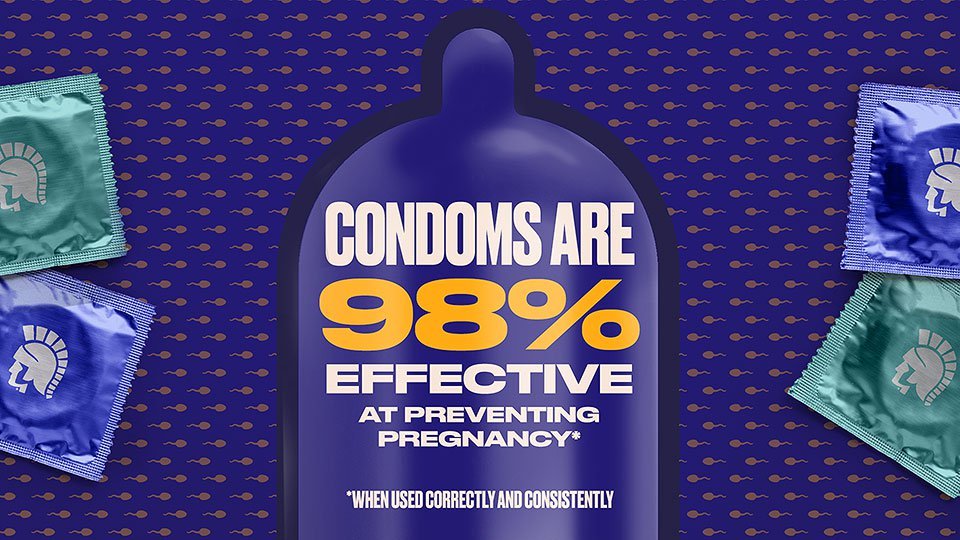
When we see that “98% Effective” label on a box of condoms, we treat it like a guarantee. We are taught that condoms are 98% effective, but that’s under “perfect laboratory conditions.” But in medical terms, that number represents “Perfect Use”—a world where everyone has steady hands, perfect lighting, zero adrenaline, and a degree in latex engineering.
The reality of our lives is “Typical Use.” Typical use is messy. It involves dim bedrooms, “heat of the moment” rushes, and the occasional glass of wine. This is why the effectiveness rate realistically sits around 87%. That 13% gap isn’t because you were being “reckless”; it’s because condoms are surprisingly delicate tools subject to a comedy of human and technical errors.
That 13% gap is where most of our patients find themselves. It happens because of things we don’t think about. Here is a breakdown of the tiny, relatable mistakes that turn a “Gold Standard” barrier into a “Typical Use” statistic.
1. Firstly, the “Inside-Out” Flip (The Silent Contaminator)
It’s dark, things are moving fast, and you start to roll the condom on, only to realise it won’t budge because it’s inside out. Now, most people simply flip it over and carry on.
The Technical Error: The moment that latex touched the tip of the penis, it likely picked up pre-ejaculate. So, by flipping it over, you have essentially “painted” the outside of the condom with active sperm or STIs, placing them directly against your partner’s mucosal tissue.
2. Secondly, the “Teeth and Talons” Opening
We’ve all seen it in the movies: a dramatic, hurried tear of the foil with the teeth.
Now, the Random Mistake: Your teeth—and even your fingernails—are serrated. So, a microscopic snag from a jagged nail or a tooth can create a “blowout point.” Also, you won’t see the hole, but the high-velocity friction of intercourse will turn that tiny snag into a massive tear mid-act.
3. Thirdly, the “Double-Bagging” Paradox
Logic suggests that if one condom is good, two must be safer.
But, the Engineering Failure: This is one of the most dangerous myths. Latex is designed to glide against skin, not other latex. So, putting two condoms on creates intense “rubber-on-rubber” friction. Instead of doubling your safety, you are virtually ensuring that both will heat up, snag, and snap simultaneously.
4. Then, the Reservoir Tip Oversight
Most condoms have a little “bubble” at the end.
Now, the Physics Problem: If you don’t pinch that tip to squeeze out the air before rolling it on, you leave a pocket of trapped air. So, when ejaculation occurs, the fluid hits that air pocket like a hammer. And with nowhere for the pressure to go, the condom often bursts at the base or the tip.
5. Next, the Lubricant Lethality
Many couples reach for what’s on the nightstand—hand lotion, baby oil, or even coconut oil.
But the Chemical Reality: Oil-based products are the natural enemy of latex. They act as a solvent, dissolving the molecular bonds of the condom within sixty seconds. So, if you aren’t using a water-based or silicone-based lubricant, you are essentially wearing a barrier made of melting butter.
6. Now, the “Slow-Cooker” Storage
- The Wallet Wear-and-Tear: Carrying a “just in case” condom in your wallet, where it gets crushed and heated by your body. Additionally, the car glove box is just as bad.
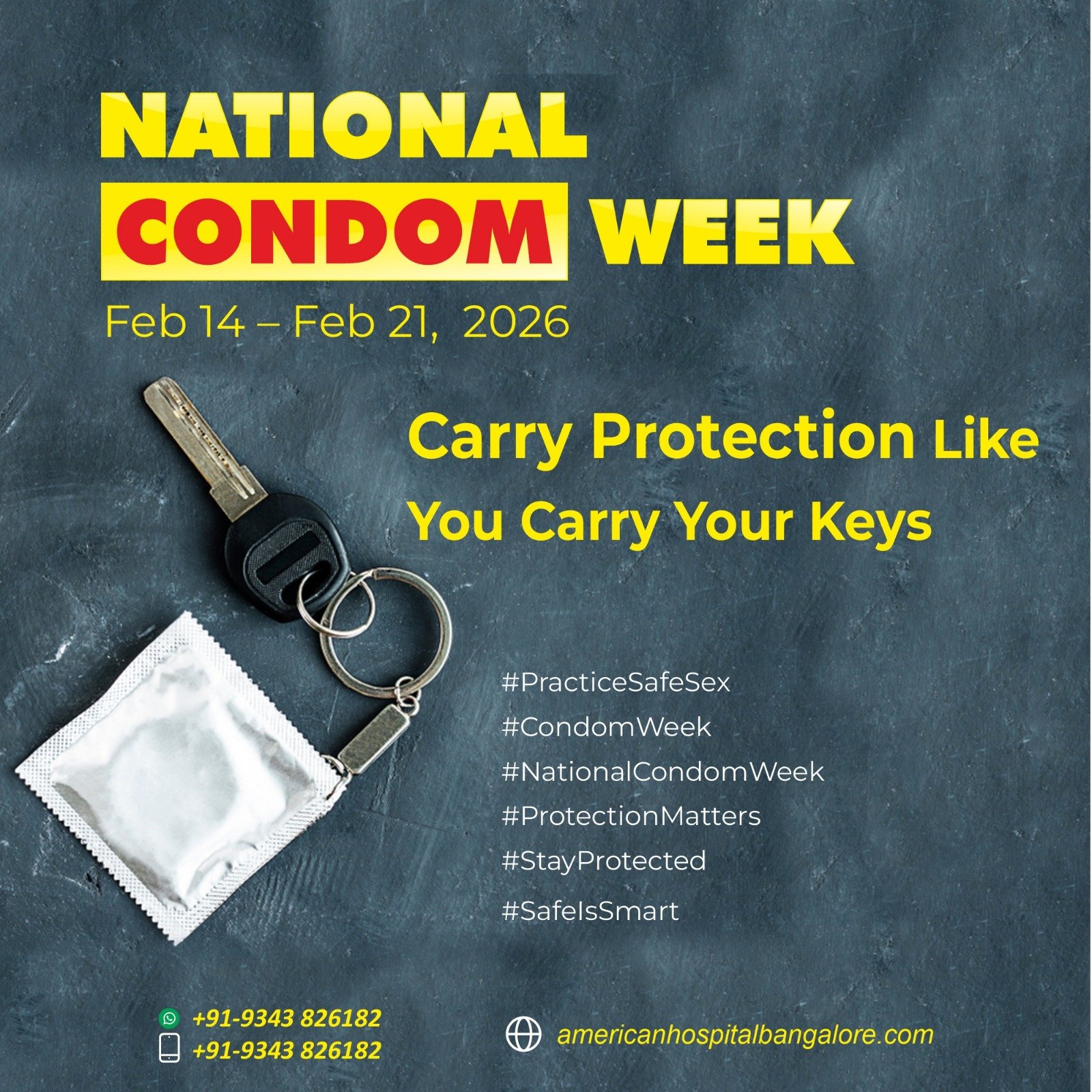
- The Environmental Error: Latex is a natural rubber. Exposure to the extreme heat of a parked car or the constant 37°C of a human hip pocket causes the material to become “brittle.” So, when you finally unwrap it, the condom has lost its elasticity. Although it may look fine, but it has the structural integrity of old parchment paper.
7. Finally, the Late Start: Thinking “pre-cum” isn’t an issue (spoiler: it can be).
When you’re an Olympic athlete, a 0.01-second mistake costs you a medal. In the bedroom, a 0.01-millimetre tear changes your entire life trajectory.
The Efficiency Checklist: Mastering the “Perfect Use”
To transform that 13% typical failure rate back into the 98% gold standard, you need more than just “luck”—you need a strategy. So, think of a condom not as a passive barrier, but as a precision medical device. If you want it to work with maximum efficiency, you must handle it with expert care.
So, here is your definitive guide to the “Dos and Don’ts” for flawless protection.
1. Firstly, the Storage Strategy: Cool, Dry, and Casual
Efficiency begins long before the clothes come off. So, stop treating your condom like a credit card.
- Don’t: Store them in your wallet, the glove box of your car, or the bathroom cabinet (where steam from the shower creates a humid, degrading environment).
- Do: Keep them in a cool, dry drawer or a dedicated “go-bag” pocket where they won’t be crushed or overheated.
2. Secondly, the “Push and Tear” Technique
Speed is the enemy of safety. So, when you are ready to open the packet, take a breath.
- Don’t: Use scissors, your teeth, or long, sharp fingernails to rip the foil.
- Do: Push the condom to one side of the wrapper and tear from the opposite corner using the pads of your fingers. This ensures you don’t accidentally nick the latex before it even leaves the package.
3. Then, the “Pinch-First” Rule
The most common cause of mid-act breakage is trapped air.
- Don’t: Just slap it on and roll.
- Do: Pinch the reservoir tip firmly to squeeze out the air before you place it on the head of the penis. This creates the necessary space for the ejaculate and prevents a pressure-induced burst.
4. Next, the Orientation Check
Nothing kills the mood like an inside-out condom, but a “flip-and-use” is a major efficiency fail.
- Don’t: Place it on the penis until you are 100% sure which way it rolls. Even if you accidentally put it on the wrong way, throw it away and start over with a new one.
- Do: Give it a “test roll” of just a few millimetres with your fingers before it touches any skin to ensure it’s facing the right direction.
5. Then, the Exit Strategy (The Most Ignored Step)
Many “failures” actually happen after the act is over. Once the “moment” passes, the penis loses its firmness, and the condom can easily slip off.
- Don’t: Stay in bed and “cuddle” while still inside your partner. This is when the condom is most likely to slip or leak at the base.
- Do: Withdraw immediately while the penis is still erect. Hold the base of the condom firmly against the skin during withdrawal to ensure it stays in place and the contents stay inside.
6. Now, the “One and Done” Policy
It sounds obvious, but it bears repeating: efficiency is zero if you reuse a barrier.
- Don’t: Ever attempt to wash or reuse a condom. They are single-use medical devices.
- Do: Use a fresh condom for every single act—including if you switch from anal to vaginal sex—to prevent the transfer of bacteria and minimise the risk of a tear.
When Even “Perfect” Isn’t Enough
You can follow every “Do” on this list and avoid every “Don’t,” yet science still leaves a small margin for error. A manufacturing defect or an unpredictable slip can still lead to those two lines on a Clearblue or Predictor test.
At American Hospital Bangalore, we serve as the professional safety net for those who did everything right but still faced an “uh-oh” moment. We don’t believe a mechanical failure should derail your life’s path.
Whether you are travelling from abroad or are a resident, our facility offers a sanctuary of privacy and medical excellence.
Why American Hospital Bangalore is Your “Plan B” Expert?
From Olympic Stress to Personal Peace
Understanding these errors doesn’t change the fact that you are now staring at a positive test. Whether it was a “reservoir tip” oversight or a “wallet heat” mishap, the result is the same: an unplanned pregnancy and a whirlwind of anxiety.
The athletes in Milan were worried when the supply ran out because they understood the importance of a backup plan. In the same way, you need to know that your story doesn’t have to end with a broken condom and a panicked Google search.
At American Hospital Bangalore, we specialise in being the “Safety Net” for those moments when the primary protection fails. We don’t offer gold medals, but we offer something much more valuable: Peace of mind and a second chance.
At American Hospital Bangalore, we believe that a 0.1mm tear in a piece of latex shouldn’t be the end of your plans, your education, or your autonomy. So, we provide the professional, medical “Safety Net” that “Typical Use” statistics make necessary.
We understand the specific anxiety of the “But we used a condom” realisation.
Our abortion care approach is built on the following pillars:
- Firstly, Empathy, Not Judgment: We know you were being responsible. And we are here to support your next responsible step.
- Secondly, Absolute Confidentiality: Your visit, your medical history, and your decision remain 100% private. So, you can stay assured that your data and your story never leave our doors.
- Next, Comprehensive Legal Care: Under the Indian MTP Act, we provide safe and legal abortion services for up to 20 weeks. We offer both Gentle Care suction and Gentle Care induced abortion options for up to 20 weeks, tailored to your specific health needs and gestation period.
- We are Here for Our Global Patients: So, if you are travelling from the UAE, Kuwait, Indonesia, or the Philippines, we provide a “Home away from Home” experience. We offer a seamless, one-day process in a safe, legal environment where your privacy is our highest priority.
- Finally, Global Standard of Care: We don’t just provide medical procedures; we provide emotional scaffolding. From the moment you call us, you are speaking to people who understand that this wasn’t “irresponsibility”—it was a biological fluke.
You did your best to stay protected. Now, let us do our best to protect your future.
Contact American Hospital Bangalore for a compassionate, confidential consultation today.
Your Next Step
Whether you are facing a contraceptive failure or just need a professional to talk to about your options, you don’t have to carry this worry alone. The Olympics restock their supplies when things go wrong; we are here to help you “restock” your life and your future.
Face the situation with the same courage as an athlete—by taking control.
Did your efficiency checklist fail you? We won’t. Contact American Hospital Bangalore for a compassionate, 100% private consultation today.
Related Posts:
- Flags Wave for National Freedom, Yet Women Wear a Mask of Silence
- Late Period? Is it Burnout or Something More?
- Abortion Laws in India: Equal for Unmarried & Married Women
- Struggling With Unwanted Pregnancy in Tirupati: Help is Closer Than You Think
- Abortion Pills in Philippines: 7 Red Flags & What to Do Instead
Quick Links:
- Weekend Abortion Services for Working Women & Students
- How Diagnostic Tests Can Help Cut the Cost of Abortion?
- Is it normal to feel guilty after an abortion?
- How many abortions can a woman have? Abortion Doctor Answers
- Stuck in Abu Dhabi with an Unwanted Pregnancy: Your Quick Abortion Guide


Leave a Comment