
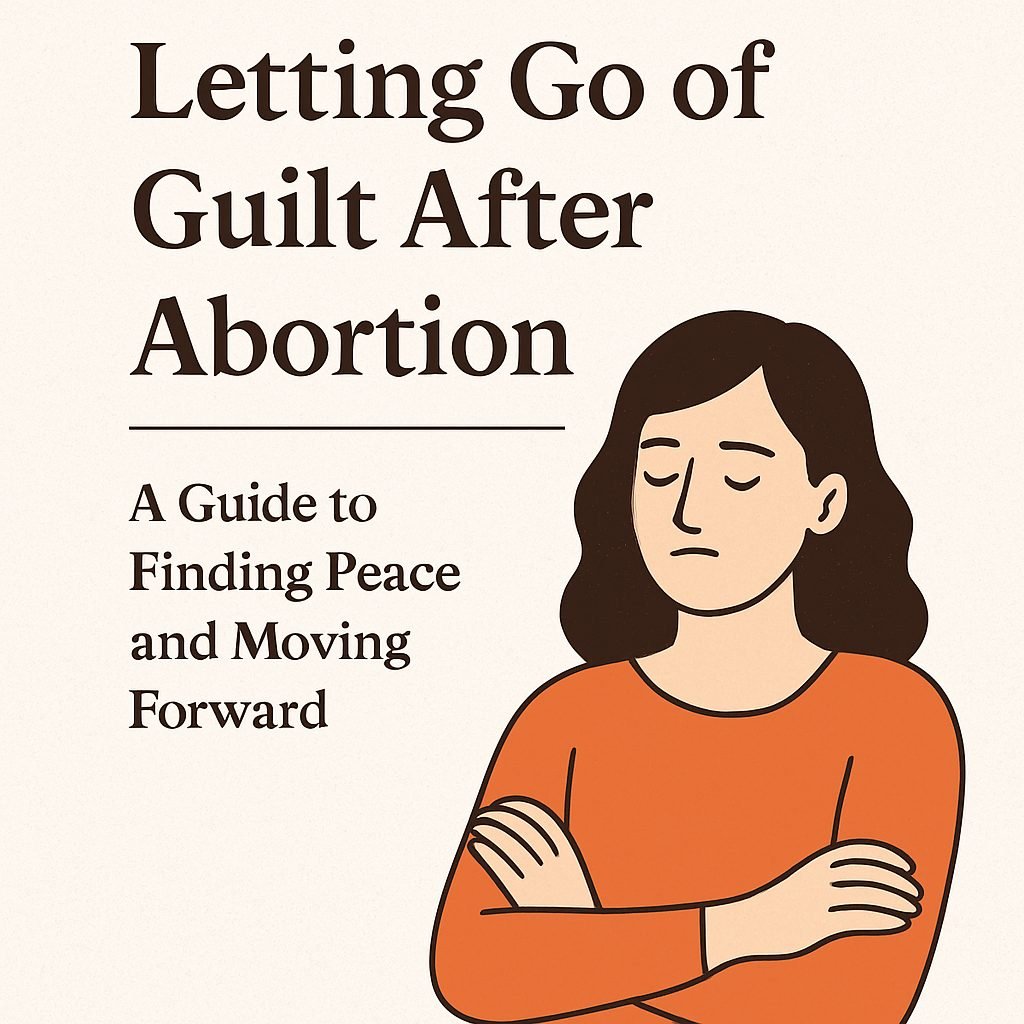
Is it normal to feel guilty after an abortion?
Contents of This Post:
- Understanding the Dual Emotions: Guilt vs. Relief After Abortion
- Common Reasons for Finding Relief
- The Weight of Stigma and Cultural Taboos
- Mental Health Consequences
- When the Guilt Comes from Choosing an Unsafe Abortion
- Embracing Self‑Compassion and Healing Strategies
- The Importance of Safe and Non‑Judgmental Care
Abortion can feel like a heavy word. Many women find relief. Many also feel guilty. You might feel both at once. This mix of emotions feels confusing. You may smile one moment. Then choke back tears the next.
Studies show about 70% of women report relief within a month of their procedure. Yet nearly 40% admit to feeling waves of guilt. These numbers overlap for many. You are far from alone.
This post aims to lift the silence. It seeks to name the pain and the peace. Besides, it will offer space for your true feelings. Also, it will guide you toward self‑compassion and hope because you deserve both.
Understanding the Dual Emotions: Guilt vs. Relief After Abortion
Guilt can feel like a heavy knot in your stomach. It can sneak in when you least expect it; your uninvited guest. You may worry about how others will see you. In fact, up to 60% of women report fearing judgment from friends or family after an abortion. Besides, cultural and religious beliefs can worsen this guilt. So, it’s natural to feel having betrayed your own values. People often find peace in making others drown in guilt. But you will need to realise this and overcome it because you may not want to suffer more. You don’t deserve to suffer for having obtained a safe abortion.
Relief often arrives as a sudden breath of fresh air. It can follow practical concerns—finances, timing, or health risks. Nearly 40% of women cite financial stability as the main reason they felt relief after ending a pregnancy. You might also feel relief if your life plan required a different course. Relief does not erase guilt.
These emotions can exist together. You might feel proud of taking control of your life. Then ashamed for feeling pride. A long-term study found 95% of women still believed their decision was right five years later, even if they felt conflicted at first. (Source) Yet, immediate guilt shows up in about 37.5% of women during the weeks after the procedure.
Naming each feeling can help you sort through the fog. Pause and say, “I feel guilty.” Then, “I feel relief.” Labelling your emotions brings clarity. It gives you space to address each feeling on its own terms.
Common Reasons for Finding Relief After Abortion:
Unplanned pregnancies can upend life plans overnight. Globally, women experience about 121 million unintended pregnancies each year—nearly 45% of all pregnancies—and around 61% of these unintended pregnancies end in abortion. ( United Nations Population FundGuttmacher Institute). Ending an unexpected pregnancy often restores a sense of control over education, work, or family timing. That swift return to choice brings relief.
Money worries drive relief for many. Worldwide, an estimated 257 million women who wish to avoid pregnancy lack access to modern contraception (United Nations Population Fund). Studies show most women say they could not afford a child or that having one would interfere with work, school, or caring for other children( Guttmacher Institute). Avoiding new debt on housing, food, or childcare instantly lifts a heavy burden.
Career and personal goals also matter. Whether you’re finishing school, building a business, or aiming for a promotion, a child can delay milestones by years. Relief often follows the certainty that you can keep growing professionally and personally on your own timeline.
Health concerns add another layer. In regions where abortion remains prohibited, like the UAE, Qatar, Oman, Bhutan, Maldives, Philippines, Mauritius, Kuwait, Indonesia, Singapore, Sri Lanka, Bahrain up to 68% of unintended pregnancies still end in abortion—underscoring how strong the need for safety and well-being is( World Health Organization). Worries about pregnancy complications, chronic conditions, or previous obstetric issues drive many women to choose relief over risk.
For single or unmarried women, stigma can feel overwhelming. In some cultures, an unwed pregnancy leads to social exclusion or family shame. Relief comes when women reclaim dignity and autonomy. You deserve that relief—and the right to use it to protect your health, goals, and future.
The Weight of Stigma and Cultural Taboos on Women Seeking Abortions:
Even when the decision feels right, stigma can cast a long, dark shadow. In many cultures, abortion isn’t seen as a health decision—it’s judged as a moral failure. This judgment often falls harshest on women who are unmarried, single, or young. Society creates silence around abortion, and that silence quickly becomes shame.
Not only the society, but the law equally shames unmarried women seeking abortions in such cultures. Women residing in places like Dubai, Abu Dhabi, Ras Al Khaimah, Ajman, Fujairah, Muscat, Doha, Al Ain, Umm Al Quwain, Sharjah, etc. not only face health risks and social ostracization but also face legal consequences for getting pregnant in the first place as an unmarried woman and then for seeking an abortion.
You might hear whispers. You might sense people pulling away. Even if no one says anything outright, the disapproval shows in their tone, in their questions, or worse—in their avoidance. This subtle, lingering judgment can make you question your worth.
Abortion for unmarried:
In some families or communities, an unwed pregnancy brings more shame than abortion itself. That’s a painful contradiction. You’re judged for getting pregnant, and then judged again for ending the pregnancy. It’s no surprise that many women stop opening up. They withdraw. They keep their emotions buried. Some even begin to believe the harsh things others suggest with their eyes, their silence, or their religion.
This stigma doesn’t just hurt feelings. It creates real mental health risks. According to the World Health Organization, stigma around abortion and lack of emotional support can increase the risk of depression, anxiety, and post-traumatic stress, especially in regions with strict abortion laws and limited counselling access.
When a woman feels judged or shamed, she often stops seeking help. She might not talk to friends. She may avoid mental health professionals out of fear of being labelled. This isolation delays healing. It also reinforces the idea that she deserves to feel bad, which is simply not true.
You don’t deserve to suffer in silence.
Stigma is not your truth—it’s a product of outdated beliefs. You are not less because you decided for your body, your life, and your future. You do not owe anyone an explanation. And you do not have to carry the weight of shame that was never yours to begin with.
Mental Health Consequences on Women Obtaining Abortions:
After an abortion, your mind can become a battlefield. While many women feel relief, emotional distress can surface, especially in the weeks that follow. This is not weakness. It’s a response to pressure, judgment, and silence. The environment you’re in matters as much as the experience itself.
Depression is common, especially in women who lack support or face stigma. Studies show that in restrictive or judgmental settings, post-abortion depression can affect up to 30% of women. Some report feeling “numb” or “emotionally flat” even when they knew the decision was right. This is not about regret—it’s about emotional exhaustion and social isolation.
Anxiety can build quietly. You might fear being “found out.” You may worry about whether you’re still “good enough” in the eyes of your family, faith, or society. These thoughts can spiral. Simple conversations become draining. Sleep may suffer. The body tenses up, and you’re always on alert. These are signs your mind is carrying too much.
For some, PTSD-like symptoms can develop. Flashbacks. Panic attacks. Avoiding anything that reminds you of the experience. This is more likely when the abortion was traumatic—perhaps forced in secrecy, done without support, or involved complications. The emotional scars may run deeper in such cases. Mental bruises may sometimes last for some throughout their lifetime, while physical bruises may heal in days or weeks.
There’s also a lesser-known struggle—self-punishment.
You might isolate yourself. Such people often cancel plans or avoid making them. They avoid public places or social gatherings. Avoiding joy is where one pushes herself deep into trauma, not willing to come out. It’s like you’re denying yourself happiness because of guilt. This pattern doesn’t heal anything. It prolongs suffering and builds resentment within.
In extreme cases, suicidal thoughts can occur. This doesn’t mean you truly want to die. Often, it’s a deep yearning to escape pain or shame. According to research from countries with abortion restrictions, women denied abortion are more likely to experience suicidal ideation compared to those who received one. Emotional suppression is dangerous.
But here’s the truth: You are not broken. You are humanly responding to pain.
These feelings do not mean you made the wrong decision. They only mean you need space, support, and compassion to heal. You deserve that healing, not because you’ve suffered, but because you’re still here, still trying, and still worthy of peace. You are living and can spend your life happily, free from the guilt associated with abortion.
When the Guilt Comes from Choosing an Unsafe Abortion:
Guilt sometimes stems from the wrong decisions, just like an illegal or unsafe abortion, even when safe abortion in India services were available. Such guilt is not rooted in having an abortion, but it comes from how it happened. You may have known the abortion risks. You may have wished for a safer choice. But fear, lack of access, legal threats, or the cost of abortion pushed you toward an unsafe option. And now, you carry not just the pain, but the guilt of choosing what felt like “wrong” over “right.”
This is a painful reality for many women, especially in countries where abortion is legally restricted or completely banned. In desperation, some turn to abortion pills sold illegally online, from unknown suppliers. Others visit untrained midwives or backstreet clinics. Some try home remedies like herbal teas or traditional methods like papaya for abortion, which are unsafe and ineffective. The consequences can be severe: heavy and prolonged bleeding, infections, incomplete abortion, uterine perforation, internal injury, and in some cases, life-threatening complications.
There’s also another heart breaking outcome—infertility.
Unsafe abortions have been linked to permanent damage to the uterus, fallopian tubes, or cervix. An incomplete or septic abortion can lead to infections that silently scar the reproductive organs. For some women, the pain deepens later in life when they want a child but struggle to conceive.
If this happened to you—if you chose an unsafe method and now live with regret—you are not alone. You made the best decision you could, with the resources and information you had at the time. That was survival. That was courage. But it was never your fault that safe, legal, and compassionate care wasn’t available or accessible.
This guilt is heavy, but it doesn’t have to define your future because guilt can steal a happy future from you. It can keep you blindfolded from exploring options that can help you get the future you want. You can still have it. But for that, you will need to see the positive side of the flipped coin.
What now?
If you’re now facing infertility or reproductive complications, know that there is still hope. Modern medicine offers many paths to motherhood—IVF, surrogacy, egg donation, and adoption among them. You still have options. You still have a future. Finally, you can still build the family you once feared you had lost.
One thing we want you to understand and, more importantly, feel is the feeling of motherhood you want and not the path you have to walk to achieve it. Happiness does not lie only in giving birth naturally or from your womb, or similar feelings, keeping you distant from the future you want. Instead, it lies in the motherhood you will enjoy when you have the child. It is in the memories you will create with your child.
You can be a mother even if you cannot make a child naturally. Happiness lies in living with the child and not in the guilt of not having one.
And more than anything—you deserve to let go of the past. You deserve to forgive yourself. You don’t need to keep replaying the “what ifs.” Also, you don’t have to keep punishing yourself for doing what felt necessary at that moment. What matters now is moving forward, with knowledge, with healing, and with support.
A safe abortion could have prevented this pain, yes. But blaming yourself for a broken system solves nothing. Let’s instead focus on what’s still possible—because the future still holds room for joy, healing, and love.
Remember:
One step forward in guilt is two steps backwards in having what you want. Feel, perceive, believe, and you can still achieve. You can still fulfil your aspirations of motherhood and enjoy each moment with your child. But that’s possible only if you choose to move forward and not stay back. Only a healed and happy woman can be a happy mother and raise a happy child. Be one because hope still exists, and you can be one.
Embracing Self-Compassion and Healing Strategies:
Guilt can feel permanent. But it isn’t. With the right mindset and support, healing is possible. The first step is this: be gentle with yourself.
Many women internalise shame after an abortion. Whether it was the decision itself or how it happened, they started to believe they didn’t deserve happiness. This belief is deeply damaging. Self-punishment doesn’t bring peace—it only deepens the wound. On the contrary, compassion begins when you start treating yourself like someone worth saving.
1. Practice self-talk that heals, not hurts.
The voice in your head matters. If it’s harsh and punishing, your pain will grow. Start shifting that voice. Say:
“I made the best decision I could at the time.”
“I acted with strength, even in fear.”
“It happened because it had to, but my today and tomorrow are going to be better. I have come ahead and will face it with clarity, confidence and self-love.”
“I deserve care, love, and healing.”
These words may feel foreign at first. But with practice, they soften the guilt and replace it with understanding. If it feels difficult to have this conversation with yourself, close your eyes and picture the happy memories from your past. Try to feel how loved you felt in that moment. If you have a furry friend, the moments you spend with him/her can make you feel loved even when you are feeling extremely low.
Now, when you are in a better frequency and feeling loved, it may feel easier to have a loving conversation with yourself.
2. Allow yourself to feel everything, without shame.
You don’t have to choose between guilt and relief. You can feel both. It can be at the same time, or sometimes one can overpower the other. It’s natural. You can grieve while also knowing it was the right decision. Emotional healing isn’t linear. One day you might feel strong, the next completely undone. That’s okay. Feelings aren’t wrong—they’re just signals.
Accept the fact and try to go with the flow, the flow of time, the flow of signals. Going with the flow means you are in constant motion, like a river and not stagnant like a lake. Staying stagnant means constantly staying in a single emotional feeling. Drowning is possible when you stop flowing. So, keep going on and moving, and feel things differently.
 3. Prioritise emotional self-care.
Healing requires space. Take walks. Journal your thoughts. Cry if you need to. Spend time with someone who doesn’t judge you. You don’t need to do anything dramatic—just do things that restore your sense of self. A warm bath, a favourite book, quiet time with nature—these simple acts matter.
3. Explore therapy or support groups.
Talking to someone can change everything.
And a friend you can confide in is worth talking to at this time. In a group of friends, there is always at least one person everyone loves to go to when they feel low. We call these friends ‘catalysts’. We are sure you may also have someone around you. If you can think of someone from the ‘gang’, try reaching out. Maybe a conversation can give you so many perspectives on the same thing. And you need only one that can work for you. If you have this friend, do reach out.
Even if you cannot think of someone or just would love to connect with an unknown person without the fear of judgment and shame, and to get a neutral point of view, a licensed therapist, a post-abortion support group, or even an online community can help you process what you’re feeling. Studies show that women who receive emotional support after abortion report lower levels of depression, anxiety, and PTSD symptoms. Support helps you break the cycle of silence and shame.
4. Forgive yourself. Then choose to move forward.
You are not your past. You are not your mistake. Besides, you are not what happened to you. Healing doesn’t mean forgetting—it means learning how to carry your story with compassion. It means believing you still deserve joy.
We are all humans, and to err is human. People make mistakes, but no one has to live with them. Have you not forgiven someone else you loved who did this? Then, why not forgive yourself? We are sure, love is above any mistake, shame, guilt or judgment. Love is unconditional, and why should you stop loving yourself for a mistake in the past, even if you think it was? Most women realise at some point in their lives that the decision they made was the best for that moment.
Let this be your beginning, not your end. You are allowed to let go of the pain. You are allowed to rewrite the narrative. Guilt may visit, but it doesn’t get to live inside you forever.
The Importance of Safe and Non-Judgmental Care:
Every woman deserves care that respects her dignity. No one should have to choose between safety and silence. Yet in many parts of the world, fear of judgment, legal barriers, or financial limits push women into unsafe, secretive paths. That’s not a personal failure—it’s a systemic one.
Safe abortion is healthcare. When done under medical supervision with approved methods, it’s one of the safest procedures available. But more than safety, women also need compassion. You deserve care where no one asks demeaning questions. You deserve to sit across from a doctor who listens without judgment.
In countries where abortion is highly restricted, women often turn to unsafe pills or untrained providers. This isn’t just a medical issue—it becomes emotional trauma too. Being forced to hide, to lie, or to suffer alone damages mental health. Many women carry trauma not because of the abortion itself, but because of how they were treated, ignored, or shamed.
Safe care doesn’t just mean access to clinics. It means access to kindness. It means privacy, informed choice, and a chance to heal without fear. Above all, it means being spoken to like a human being, not like someone who did something wrong.
If you didn’t receive that kind of care before, it’s not too late now.
You can still seek out non-judgmental providers for follow-up care, counselling, or emotional support. Many hospitals and clinics—especially in countries like India, where abortion is legal and confidential—offer respectful and legal services for both citizens and international patients. Even post-abortion counselling can make a huge difference in how you move forward.
You don’t have to settle for shame. And you don’t have to suffer in silence. Wherever you are in your journey, you deserve to feel safe, supported, and seen.
You Are Not Alone—And This Is Not the End
Guilt is heavy. But healing is real.
Whether your guilt stems from ending a pregnancy, choosing an unsafe method, or simply feeling relief when others expected regret, it’s okay. Your emotions are valid. Your pain is valid. But so is your right to move forward.
You don’t have to keep reliving your past. You don’t have to keep punishing yourself for choices made in fear or silence. What happened does not define your worth. It does not cancel your future. You are allowed to grieve. You are also allowed to heal.
Besides, you are not alone in this. Millions of women around the world carry similar abortion stories. Some speak them aloud. Others bury them deep. But today, you are choosing to face yours—and that is powerful.
Look forward. Take the next step, even if it’s small. Reach for kindness, connection, and care. And when you’re ready, let joy back in. Not because you forgot, but because you forgave.
You are worthy of peace. You are worthy of love. And you still have every right to write the rest of your story—with compassion, strength, and hope.
Contact the best abortion hospital in India.
Related Posts:
- How many abortions can a woman have? Abortion Doctor Answers
- Where the Law Fails, Care Prevails: Safe Suction Abortion in India for Global Women
- How Indonesia’s Dairy Industry Affects Women’s Healthcare and Abortion Access?
- Explore How MediSave Benefits Apply to Abortion In Singapore
- McDonald’s French Fries After an Abortion in Singapore: Safe or Risky?
Quick Links:
- The Role of Dubai Weather in Medical and Surgical Abortion Procedures
- Stuck in Abu Dhabi with an Unwanted Pregnancy: Your Quick Abortion Guide
- Heat, Humidity, and Healthcare: How Dubai’s Climate Influences Abortion Recovery
- Managing Self-Induced Abortion at Home: Dos and Don’ts
- Abortion Success Rates: Comparing Medical vs Suction Methods


Leave a Comment