

PMOS Doesn’t Mean You Can’t Get Pregnant — And Here’s Why That Matters
Contents of This Post:
- “I Thought I Couldn’t Get Pregnant” — The Myth That Puts Women at Risk of an Unexpected Pregnancy
- The Science — Why PMOS Makes Fertility Unpredictable, Not Impossible
- Gap Nobody Talks About — Pregnancy Discovered Late and Limited Awareness
- Your Abortion Options Are Real, Safe, Legal, and Confidential
- What to Do First — A Clear and Compassionate Action Plan
- Introducing American Hospital Bangalore: Where Your Privacy, Safety, and Dignity Come First
What every woman with PMOS needs to know about unplanned pregnancy, her legal rights, and her options
There is a conversation happening quietly in gynaecology clinics, in hushed phone calls between friends, and in the private corners of women’s minds — and it goes something like this:
“I have PCOS. My doctor always said getting pregnant would be difficult. So, I stopped worrying about it.”
If that sentence sounds familiar, you are far from alone. Millions of women across the world carry a PCOS, now officially renamed PMOS. Most women treat this diagnosis like a label that says infertile. And somewhere along the way, that label quietly becomes a permission slip to stop protecting themselves from an unplanned pregnancy.
Here is the truth that nobody seems to say out loud: PMOS does not mean you cannot get pregnant. In fact, for many women, it makes pregnancy harder to predict, which is a very different thing from making it impossible. And that distinction matters enormously, especially when an unexpected pregnancy arrives. And a woman suddenly finds herself with very little time and very little information about what to do next.
This post is for every woman is living with a PMOS diagnosis and assuming she is in the clear. It is also for every woman who finds herself unexpectedly pregnant and does not know where to turn. Because your options are real. They are legal. And you deserve to know about them without shame, fear, or judgment, regardless of your age, nationality or marital status.
“I Thought I Couldn’t Get Pregnant” — The Myth That Puts Women at Risk of an Unexpected Pregnancy
Let us start with how this myth takes root, because it does not appear out of nowhere.
When a woman receives a PMOS diagnosis — especially in her twenties or thirties — doctors often focus the conversation on one dominant concern: fertility. Will she be able to conceive when she wants to? Will she need help? How soon should she start trying? These are legitimate and important questions. But in the midst of that conversation, something subtle and damaging often happens. Women quietly translate the word ‘difficult’ into ‘impossible’.
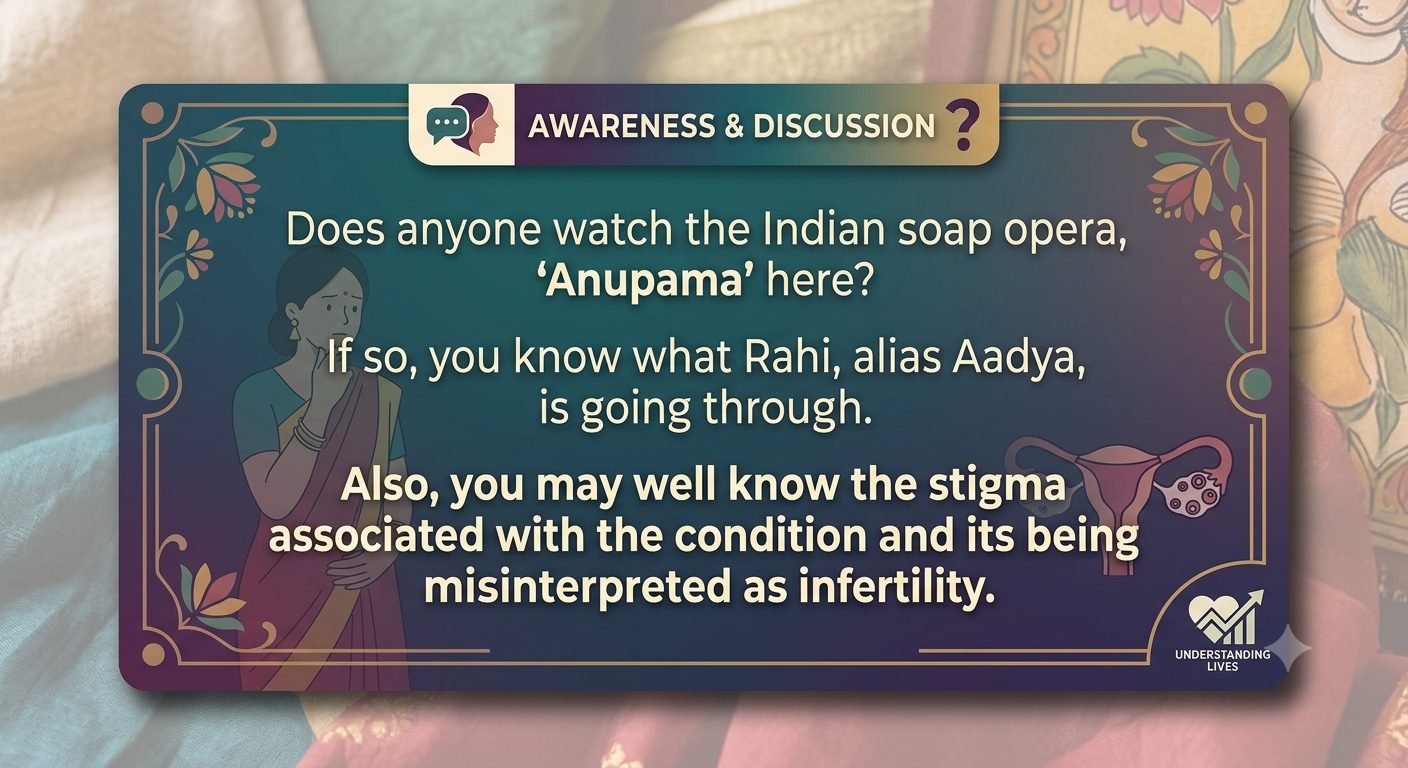
And so she stops. She stops tracking her cycles. Also, she stops using contraception. Furthermore, she stops thinking of herself as someone who could accidentally fall pregnant. And all this because her doctor once told her that getting pregnant would take effort, planning, and probably medical intervention.
Meanwhile, her cycles remain irregular. Some months she bleeds, some months she does not. She normalizes the unpredictability. She barely notices a missed period. And so she may fail to take a pregnancy test. Means, no Clearblue, no Preganews, Pinkcheck, Advan, nothing at all. After all, missed periods are practically her baseline.
This is exactly the kind of situation where an unplanned pregnancy can develop quietly, undetected, for weeks — sometimes months — before a woman realises what is happening.
PMOS in Perimenopausal Women:
Furthermore, this pattern does not only affect younger women. Women in their late thirties and forties who live with PMOS face an additional layer of complexity: perimenopause. As their bodies begin the gradual transition toward menopause, their cycles become even more irregular and unpredictable. A missed period in this life stage feels completely ordinary. It rarely prompts an alarm. And yet, perimenopausal women with PMOS can and do ovulate — sporadically, unpredictably, but they do. This means they can and do get pregnant.
The myth, in other words, is not just an inconvenience. It is a genuine gap in women’s health education that has real consequences.
The Science — Why PMOS Makes Fertility Unpredictable, Not Impossible
To understand why this myth is so medically inaccurate, it helps to understand what PMOS actually does — and what it does not do.
PMOS, or Polycystic-Metabolic Ovary Syndrome (the updated name replacing the older term PCOS), is a complex hormonal condition that affects multiple systems in the body — reproductive, metabolic, and psychological. At its core, PMOS disrupts the normal hormonal signaling that regulates the menstrual cycle. Specifically, it interferes with the finely tuned hormonal cascade that triggers ovulation each month.
In a typical cycle, a surge of luteinizing hormone (LH) signals one of the ovaries to release a mature egg. In women with PMOS, this signaling process is irregular. The expected hormonal environment is usually elevated androgens, insulin resistance, and altered LH-to-FSH ratios. This creates conditions where ovulation may not happen on a predictable monthly schedule.
Crucially, however, irregular ovulation and absent ovulation are not the same thing.
Most women with PMOS do ovulate. They just do not ovulate on a reliable 28-day schedule. Instead, ovulation may happen every six weeks, every ten weeks, or with no discernible pattern at all. This unpredictability is actually what makes PMOS-related infertility frustrating for women who want to conceive. So, they cannot time intercourse around an ovulation that might happen anytime or hardly at all.
But here is the other side of that same coin: for women who are not trying to conceive and are not using contraception, unpredictable ovulation means unpredictable fertility. A woman with PMOS might go three months without a period and assume she is simply in one of her usual long cycles. While in reality, she ovulated quietly six weeks ago and is now eight weeks pregnant without knowing it.
Additionally, the hormonal environment of PMOS can sometimes suppress early pregnancy symptoms. Nausea, breast tenderness, fatigue — these might not appear as strongly. Or one might attribute these feelings to other PMOS-related symptoms. By the time a woman realizes something is different, she may already be in her second trimester.
This delayed recognition is not just emotionally destabilizing. It also directly affects the options available to her. In India, the Medical Termination of Pregnancy (MTP) Act permits abortion up to 20 weeks of pregnancy under a registered medical professional. And up to 24 weeks in specific circumstances — including cases where contraceptive failure is a factor. Time, therefore, is not just a consideration. It is everything.
Understanding the science of PMOS is not just about managing fertility. It is about making informed decisions at every stage of reproductive life. These include decisions about contraception, about monitoring, and about what to do when an unplanned pregnancy is also an unwanted pregnancy.
The Gap Nobody Talks About — Late Discovery and Limited Awareness
Here is where the conversation gets uncomfortable — and where it also becomes the most important.
Women with PMOS are disproportionately likely to discover an unplanned pregnancy later than women without the condition. The reasons, as we have established, are clear: irregular cycles normalize missed periods, ovulation is unpredictable, and the assumption of infertility keeps many women from even considering a pregnancy test. By the time the realization arrives, valuable time has already passed.
Now layer on top of this the reality faced by millions of women across the Middle East, South Asia, and other regions where abortion is legally restricted, socially stigmatized, or simply inaccessible. In many of these countries, a woman who discovers a surprise pregnancy faces an impossible-seeming choice: seek help in secrecy and risk legal consequences. Or she an travel abroad to access care. Or turn to unsafe, illegal methods that put her health and life at serious risk.
The Tragic Part:
The tragedy here is that many women in this position do not know that safe, legal, and confidential abortion options exist — often within a short flight’s reach. They may not know their rights, even in countries where those rights are clearly defined. They may not know that they can seek care abroad in a country where abortion is legal. That too from a qualified medical team, without their privacy being compromised.
Instead, they wait. They hope the situation will resolve itself. They turn to internet searches that lead them to unverified sellers selling counterfeit or incorrectly dosed abortion pills and sometimes, completely fake pills. Also, they listen to well-meaning but medically uninformed advice from people in similar situations. And tragically, some of them end up in genuine medical danger as a result of unsafe procedures or self-administered medications obtained without a prescription or professional guidance.
This gap — between the moment a woman discovers an unplanned pregnancy and the moment she accesses professional, confidential medical care — is where the greatest harm happens. And it is a gap that exists not because safe options are unavailable, but because information about those options does not reach the women who need it most.
That is exactly what this post aims to change.
Your Abortion Options Are Real, Safe, Legal, and Confidential
If you are a woman living with PMOS and you have just discovered an unplanned pregnancy, the first and most important thing to know is this: you have options. Real ones. Legal ones. Safe ones and the confidential ones. And you do not owe anyone an explanation for the choice you make, no one means, no one. Not your partner (married or unmarried), not your parents (married or unmarried), no one, at all.
In India, the Medical Termination of Pregnancy (MTP) Act is one of the more progressive abortion laws in the region. Under this law, a woman can access a legal abortion up to 20 weeks of pregnancy with the approval of a registered medical practitioner.
In specific circumstances — including pregnancies resulting from contraceptive failure — the law extends that window to 24 weeks. Importantly, the law also protects the confidentiality of every woman seeking abortion care. No medical professional is legally permitted to disclose a patient’s identity or the details of her procedure without her consent.
Furthermore, you do not need anyone else’s consent or permission, as in many countries, for a legal abortion in India.
This means that if you are in India, or if you are considering travelling to India for medical care, you are in a country where your right to a safe and legal abortion is protected by law, your privacy is a legal entitlement, and your decision belongs entirely to you.
Now, what do the abortion options actually look like in practice?
Medical Abortion:
It is an option typically available in the early weeks of pregnancy, usually up to 6 weeks. It involves a carefully dosed combination of medications — mifepristone and misoprostol — prescribed and supervised by a qualified doctor. This method is effective when administered correctly and under proper medical supervision.
It is important to note here that buying abortion pills online or from unregistered suppliers is both dangerous and illegal. The dosage, timing, and aftercare required for a safe medical abortion must be managed by a trained healthcare provider.
Another important thing here is that these abortion pills are effective up to 95% even under medical supervision, meaning it always carries a risk of an incomplete abortion. And for an incomplete abortion, surgical intervention is the commonest option to complete the procedure and rescue the woman from abortion complications.
Furthermore, these tablets do not terminate an ectopic pregnancy. So, taking them in such a condition may endanger your life and put it at a grave risk.

Gentle Care abortion
Surgical Abortion:
It covers a range of procedures depending on the stage of pregnancy, including Gentle Care suction abortion (vacuum aspiration or suction abortion) and Dilation and Evacuation (D&E). These procedures are safe, brief, and performed under appropriate anesthesia or mild sedation by experienced gynecologists. Recovery is typically swift. So,most women can return to their daily routine within a day or two.
Whichever method is appropriate for you depends entirely on your gestational age, your health history, your preferences (pain, success of abortion, amount of bleeding, number of appointments, recovery period) and the guidance of a qualified doctor. What matters most is that you seek that guidance early — because every week counts, and every week you delay narrows your options.
It is also worth saying directly to every woman reading this: choosing to end an unplanned pregnancy is not a failure. It is not something you should feel ashamed of. Besides, it does not make you a bad person, a bad mother, or someone who made a terrible mistake. Women from every background, every religion, every socioeconomic situation, and every age seek abortion care. You are not unusual. You are not alone. And you deserve care that treats you with the dignity and respect you owe.
What to Do First — A Clear and Compassionate Action Plan
If you suspect you may be pregnant — or if you have just confirmed a pregnancy and are feeling overwhelmed — here is the most helpful thing to know: the single best action you can take right now is to speak to a qualified gynecologist as soon as possible.
Neither tomorrow. Nor after you have told your partner, your sister, or your best friend. Not even after you have spent three days searching online forums for answers. Now.
Here is why timing matters so much: the options available to you at six weeks of pregnancy differ significantly from those available at twelve weeks, and again at eighteen weeks or twenty weeks. Every week you wait, the medical complexity of the procedure can increase. Also, the number of facilities equipped to help you may decrease. The earlier you seek professional medical advice, the more choices you have — and the simpler, safer, and more straightforward the care will be.
Women in Countries with Restricted Abortion Laws Also Have a Safe, Legal, Confidential & Real Choice
If you are currently in a country where abortion is restricted or where you fear legal, social, or familial consequences for seeking care, know that travelling to Bangalore, India, for a confidential abortion is a legitimate, legal, and increasingly common choice for women across South Asia and the Middle East. Indian law protects your confidentiality as a patient, regardless of your nationality. You are not required to disclose your reason for seeking an abortion to anyone. And the care available in India — particularly at specialized clinics — is of international standard.
In the meantime, while you are arranging a consultation, please do not attempt to self-manage a pregnancy termination using pills or supplements purchased online, from a local pharmacy without a prescription, or through any other unverified source. Also, do not try risky things like papaya or pineapple to induce a miscarriage. The risks of an incorrectly managed medical abortion include incomplete termination, haemorrhage, infection, and in severe cases, life-threatening complications. No amount of online reassurance makes an unmonitored, unsupervised abortion safe.
You deserve safe care. Seek it.
Introducing American Hospital Bangalore: Where Your Privacy, Safety, and Dignity Come First
If you are looking for a place where you can receive compassionate, confidential, and internationally recognized abortion care, American Hospital Bangalore is here for you.
American Hospital Bangalore is widely regarded as one of India’s premier boutique abortion care facilities — and for good reason. Unlike large hospitals where patients can feel lost in a crowd, American Hospital Bangalore operates on a founding principle that sets it apart from every other facility of its kind: serving one patient at a time with the best possible care and undivided attention.
Read that again. One patient at a time.
This is not a minor logistical detail. It is a deliberate, deeply considered commitment to the privacy and dignity of every woman who walks through their doors. When you choose American Hospital Bangalore, you are not sharing a waiting room with strangers worrying about who might see you. Besides, you are not a number in a queue. Rather, you are the only patient being cared for that day by a dedicated team whose full attention, expertise, and compassion are focused entirely on you.
This level of exclusivity and discretion makes American Hospital Bangalore a particularly meaningful option for women travelling from abroad. The hospital has extensive experience serving international patients — women from the UAE, Saudi Arabia, Kuwait, Bahrain, Qatar, Oman, Bangladesh, Sri Lanka, Bhutan, Maldives, Singapore, Indonesia, Philippines, Malaysia, Mauritius and beyond — who choose India precisely because safe and legal abortion care is not accessible, or not accessible confidentially, in their home countries.
For women in the Middle East and other parts of South Asia where abortion laws are restrictive or where the social consequences of seeking abortion care at home can be severe, American Hospital Bangalore offers a genuine alternative. The journey to Bangalore is short from most major Middle Eastern and South Asian cities. The process of arranging a confidential consultation is straightforward. And the standard of care — which meets internationally recognised protocols — means that you are in safe, expert hands from your first conversation to your last follow-up.
The clinical team at American Hospital Bangalore brings decades of experience in Comprehensive Abortion Care (CAC). Also, they approach every patient — regardless of age, nationality, marital status, or personal circumstances — with the same warmth, professionalism, and non-judgmental care. There is no room for stigma here or space for shame. There is only expert medical care, delivered in absolute confidence.
Women with PMOS Seeking Safe Abortion Care Without Impacting Fertility
American Hospital Bangalore also recognizes the unique challenges faced by women with PMOS who discover unplanned pregnancies later than expected. The team is fully equipped to manage abortion care across a range of gestational ages, within the provisions of Indian law, and with the sensitivity and individualised attention that every woman in this situation deserves.
A Final Word: Please Do Not Wait, and Please Do Not Take Risks
If this post has found you at a moment when you are frightened, uncertain, or unsure what to do next, please hear this: you are not in this alone, and there is help available to you.
Do not let fear push you toward unsafe options. Also, do not buy abortion pills from an unverified online pharmacy, no matter how convincing the website looks. Do not delay seeking professional guidance because you are worried about being judged. The risks of unsafe, unsupervised abortion are real, serious, and completely avoidable when qualified medical care is within reach.
Every woman with PMOS deserves to understand her full reproductive reality — including the possibility of an unplanned pregnancy, and including the full range of options available to her if that happens. Knowledge is not frightening. Silence is.
Reach out to American Hospital Bangalore. Ask your questions. Explore your options. Make your decision from a place of information, safety, and self-respect.
Because that is exactly what you deserve.
American Hospital Bangalore offers completely confidential consultations for women seeking abortion care, including international patients. To book a private, discreet consultation, contact the team directly.
Related Posts:
- Late Period? Is it Burnout or Something More?
- Why You Must Know Your Blood Type Before an Abortion?
- Will Anyone Know? How to Secure 100% Anonymous, Legal MTP in Bangalore?
- From Olympics to Your Bedroom: “But We Used a Condom!” Shock
- Flags Wave for National Freedom, Yet Women Wear a Mask of Silence
Quick Links:
- 6 Things to Bring Back to Dubai After an Abortion in India
- How Diagnostic Tests Can Help Cut the Cost of Abortion?
- McDonald’s French Fries After an Abortion in Singapore: Safe or Risky?
- The Role of Dubai Weather in Medical and Surgical Abortion Procedures
- Heat, Humidity, and Healthcare: How Dubai’s Climate Influences Abortion Recovery


Leave a Comment