
McDonald’s French Fries After an Abortion in Singapore: Safe or Risky?
Last Updated: May 4, 2025
Contents of This Post:
- Craving Fries After an Abortion? What You Should Know?
- Understanding Post-Abortion Nutrition: What Your Body Really Needs?
- How Abortion Methods Impact Nutritional Needs? Does the abortion method impact if you can consume McDonald’s French Fries post-abortion?
- McDonald’s French Fries: Comfort Food or Recovery Risk?
- Safe Food Choices After Abortion: Better Alternatives to Fast Food
Navigating recovery after an abortion often involves prioritizing physical well-being, emotional healing, and mindful dietary choices. While cravings for comfort foods like McDonald’s iconic French fries might feel irresistible during this time, many individuals in Singapore wonder: Are these salty, crispy treats safe to enjoy post-procedure, or could they pose risks to recovery?
This article cuts through the noise to explore the science, risks, and practical advice surrounding fast-food indulgences like McDonald’s fries after an abortion. We’ll examine nutritional concerns, potential impacts on healing, and expert-backed guidelines tailored to Singapore’s healthcare landscape. Whether seeking permission to satisfy a craving or looking for healthier alternatives, this post will help you make informed, compassionate choices that align with your recovery goals. Let’s dig in.
Craving Fries After an Abortion? Here’s What You Should Know
What goes in your craving for McDonald’s French fries post-abortion?
Cravings for comfort foods like McDonald’s French fries are common after an abortion, and there’s a good reason for it. The physical and emotional toll of the procedure can trigger a natural desire for familiar, indulgent foods that provide a temporary sense of relief or pleasure.
Firstly, hormonal fluctuations post-abortion—similar to those experienced during pregnancy or menstruation—often heighten appetite and cravings, particularly for salty, fatty, or carbohydrate-rich snacks. Second, add to this the psychological need for comfort during a vulnerable time, and it’s no surprise that golden, crispy fries might feel like a soothing antidote to stress.
So, cravings for particular foods after an abortion aren’t just “all in your head”—they’re rooted in biology. During and after pregnancy, your body undergoes significant hormonal shifts, particularly in estrogen, progesterone, and human chorionic gonadotropin (hCG). Abortion abruptly halts this hormonal cascade, which can disrupt neurotransmitters like serotonin and dopamine, the brain’s “feel-good” chemicals. This biochemical rollercoaster often triggers cravings for calorie-dense, salty, or fatty foods (like fries) as your body instinctively seeks quick energy and emotional comfort.
But is it safe to address these cravings just after an abortion?
The answer isn’t a simple yes or no. While there’s no strict medical rule forbidding McDonald’s fries after an abortion, how much and when you indulge matters.
From a physiological standpoint, these cravings make sense. At first, sodium in fries temporarily boosts blood volume, which may feel rewarding if you’ve experienced blood loss during the procedure. Similarly, the fat content stimulates dopamine production, offering a fleeting mood lift.
However, your body is also in a vulnerable state: uterine healing, hormonal rebalancing, and potential blood loss require optimal nutrition. While fries aren’t inherently harmful, their lack of essential nutrients—coupled with high saturated fat and sodium—means they shouldn’t dominate your post-procedure diet.
Besides, greasy, high-sodium foods can sometimes aggravate post-procedure symptoms like nausea, bloating, or fatigue, especially if your body is still adjusting physically. For example, the high salt content in fries might worsen dehydration—a risk to watch for if you’ve experienced bleeding or lightheadedness. Similarly, heavy, fatty foods could slow digestion, which may already be sensitive due to hormonal shifts or medication side effects.
What do we advise our abortion in India patients at American Hospital Bangalore?
As a premier abortion clinic in India, we have seen many patients in the last 40 years seeking abortions. Every patient is unique. We tailor our approach for their post-abortion recovery in close balance with their emotional and mental well-being besides physical recovery. It is normal to have cravings. We understand how denying yourself entirely could backfire. Deprivation often fuels stronger cravings, leading to overindulgence later.
So, we advise patients to navigate their post-abortion cravings for McDonald’s French Fries post-abortion with a balanced approach. Our advise includes:
Acknowledge the biology.
Cravings are normal. Your body is working hard to recalibrate, and there’s no shame in wanting comfort. If fries feel comforting and manageable, it’s okay to enjoy a small portion but mindfully.
Timing is key.
Post-abortion nausea, fatigue, or digestive sensitivity are common. Greasy foods can worsen these issues by slowing gastric emptying or spiking blood sugar levels, leading to energy crashes. So, wait until any immediate post-procedure nausea subsides. Many clinics in Singapore advise sticking to bland, easily digestible foods for the first 24–48 hours.
Strategize indulgence.
If fries feel non-negotiable, opt for a small portion once acute symptoms (e.g., cramping, dizziness) subside—usually after the first 24–48 hours. Also, pair them with a protein source (e.g., a boiled egg or yoghurt) to stabilize energy and support tissue repair.
If you obtain an abortion in India at our clinic, you stay under close monitoring of our abortion team after the procedure. So, you can get McDonald’s French Fries just in your recovery room from Zomato or Swiggy as you recover under the team’s guidance. Besides, you can also get options for healthy food to consume after the small portion of Fries because Fries can satisfy cravings but should not be consumed for satiety.
Hydrate proactively.
Sodium-heavy foods demand extra fluids. So, sip on oral rehydration solutions (ORS) or coconut water to replenish electrolytes lost through bleeding or sweating, especially in Singapore’s humid climate. Furthermore, this advise stays true even if you do not consume fries but consuming fried foods also makes one more thirsty.
Most importantly, your cravings are valid, but they’re also a signpost. They might signal unmet physical needs (e.g., low iron or blood sugar) or emotional ones (e.g., stress relief). If fries symbolize a moment of normalcy or self-care for you, there’s room to honour that without compromising recovery. Singapore’s humid climate and fast-paced lifestyle might even make quick, accessible treats like McDonald’s fries feel like a practical choice. Just stay attuned to your body’s signals and prioritize nutrient-dense foods as your primary recovery fuel.
Understanding Post-Abortion Nutrition: What Your Body Really Needs?
Recovering from an abortion isn’t just about emotional healing—it’s a biological process that demands targeted nutritional support. Your body is actively repairing uterine tissue, replenishing blood loss, and recalibrating hormones like estrogen and progesterone, which plummet post-procedure. These physiological tasks require specific nutrients to optimize recovery and prevent complications like anaemia, fatigue, or prolonged inflammation.
Now, let’s break down what science says your body truly needs during this critical window.
The Biology of Healing: Key Nutrients and Their Roles
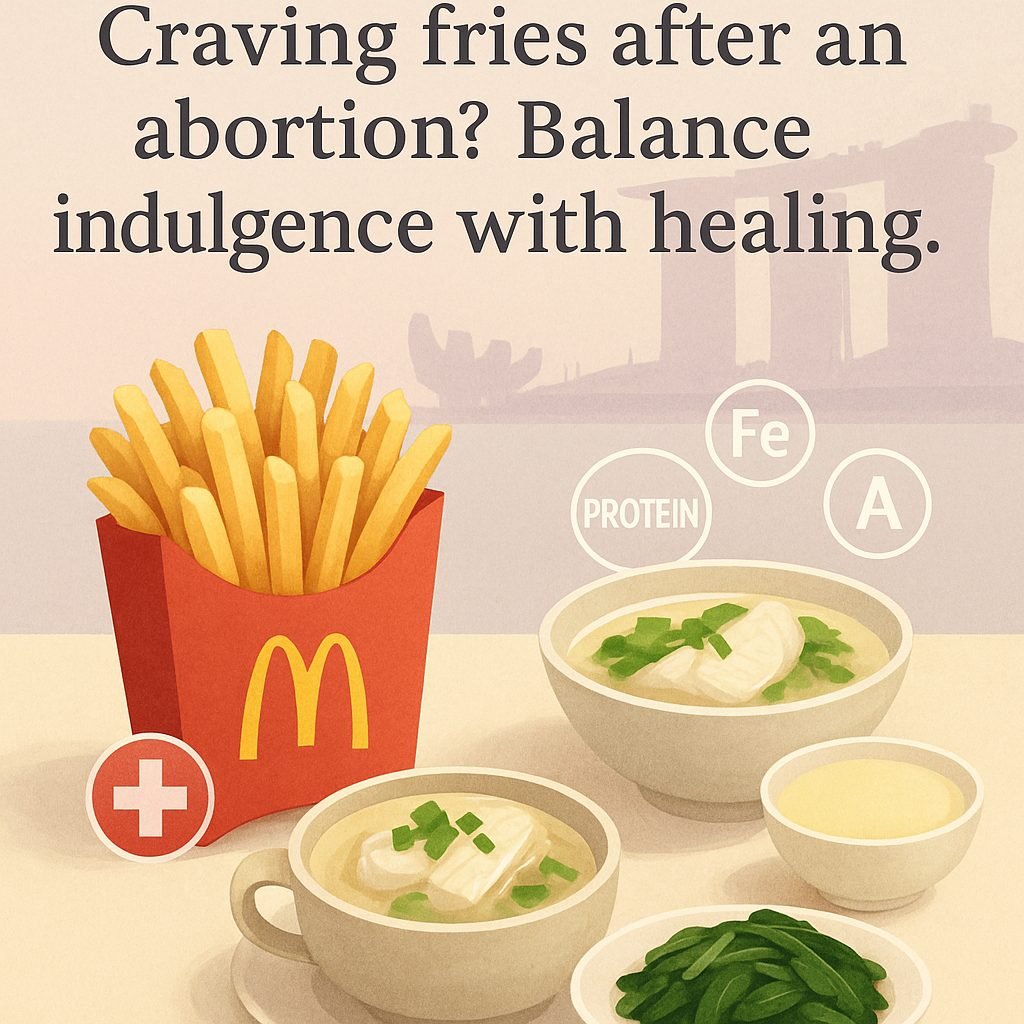
Fries After Abortion: Yes or No?
Iron:
Why it matters? Abortion often involves blood loss (averaging 50–100 mL in first-trimester abortion procedures). (Source: ACOG. (2020). Induced Abortion Guidelines.) Iron is essential to replace lost haemoglobin and prevent anaemia, a condition affecting ~29% of women globally after pregnancy loss. (Source: WHO. (2021). Global Anemia Prevalence Report.)
Stats: The CDC recommends 18 mg of iron daily for women of reproductive age (Source: CDC. (2023). Iron Recommendations for Women.), but post-abortion needs may rise by 30–50% depending on blood loss.
Sources: Lean meats, spinach, lentils. Furthermore, pair iron sources with vitamin C (e.g., citrus, bell peppers) to boost absorption.
Protein:
Why it matters? Protein provides amino acids to repair uterine tissue and support immune function. Studies show inadequate protein intake can delay healing and increase infection risk. (Source: Bauer, J., et al. (2015). Nutrition in Clinical Practice.)
Guideline: Aim for 1.2–1.5 grams of protein per kilogram of body weight daily (e.g., 70–90g for a 60kg woman). (Source: Academy of Nutrition and Dietetics. (2019). Post-Surgical Nutrition Guidelines.)
Folate & Vitamin B12:
Why it matters? These vitamins aid cell regeneration and red blood cell production. Besides, post-abortion hormonal shifts can deplete B12, exacerbating fatigue which call for replenishment.
Stats: 1 in 4 women of reproductive age in Southeast Asia has folate deficiency, per WHO reports. (WHO, 2020)
Omega-3 Fatty Acids:
Why it matters? EPA and DHA (types of omega-3s) reduce inflammation, which peaks post-abortion because the body recognises an immediate effect. They also support mood regulation—critical given the link between hormonal drops and post-abortion depression risk. (Source: Lin, P., et al. (2017). Omega-3s and Mood Disorders. American Journal of Clinical Nutrition.)
Fibre:
Why it matters? Pain medications and hormonal changes often slow digestion. Fibre combats constipation, a common post-abortion complaint. Additionally, 30–50% of women report constipation post-abortion. (Source: Guttmacher Institute. (2022). Post-Abortion Care Survey.)
Hydration:
Why it matters? Blood loss, sweating (common in Singapore’s humidity), and stress increase fluid needs. Dehydration worsens fatigue and cramps. Even the Health Promotion Board (HPB) recommends 8–10 glasses daily, with electrolytes during recovery. (Source: HPB. (2023). Hydration Guidelines for Tropical Climates.)
Bridging Gaps in Post-Abortion Diets After an Abortion in Singapore
Despite Singapore’s access to diverse foods, busy lifestyles and cultural stigma around abortion can lead to nutritional neglect. Local studies (Source: Singapore Health Study. (2021). Dietary Patterns in Urban Women.) suggest that 1 in 3 women skip meals or opt for convenient but nutrient-poor options (e.g., hawker fried noodles) during recovery. This gap matters: inadequate iron and protein intake, for example, correlate with prolonged fatigue and slower tissue repair.
As an abortion hospital in India, here’s our actionable advice:
- Firstly, prioritize iron-rich local foods: Sambal grilled fish (high in iron + omega-3s), tofu stir-fries, or bak kut teh (herbal pork bone soup) are a few good sources to start with.
- Secondly, snack smartly: Replace sugary kaya toast with Greek yoghurt + tropical fruits (papaya, guava) for protein and folate.
- Finally, hydrate strategically: Coconut water (common in Singapore markets) replenishes electrolytes lost through bleeding or sweating.
While nutrition is critical, rigid diets add unnecessary stress. So, if you’re craving comfort foods like McDonald’s fries, it’s okay to indulge mindfully—just ensure they don’t displace nutrient-dense meals. Your body isn’t a machine; it’s a resilient yet delicate system deserving of patience and care.
How Abortion Methods Impact Nutritional Needs? Medical vs. Surgical Procedures:
The type of abortion procedure you undergo—medical abortion with abortion pills or suction abortion (vacuum aspiration), or surgical abortion (Dilation and Curettage/Evacuation)—can influence your physical recovery and nutritional demands. Here’s how each method affects your body and why your post-procedure diet (including treats like fries) should adapt accordingly.
1. Medical Abortion (With Abortion Pills):
Procedure: Involves taking mifepristone and misoprostol to induce a miscarriage. Typically used up to 6 weeks of intrauterine pregnancy.
Physical Impact: Firstly, heavy bleeding and cramping for 24–48 hours (similar to a miscarriage) but can be more. Then, abdominal cramps, pain and bleeding can vary. However, it’s important to know what abortion bleeding looks like and how to distinguish between what’s normal and what’s not. Finally, you are likely to experience prolonged spotting (up to 2 weeks) which increases iron loss. So, one may suffer nausea, diarrhoea, or fatigue due to hormonal shifts.
Nutritional Implications:
Iron: Critical due to prolonged blood loss.
Hydration: Vital to counter fluid loss from bleeding/diarrhoea.
Easy-to-digest foods: Avoid greasy, salty foods (like fries) during active bleeding, as they can worsen nausea or dehydration. When in pain, you may not crave for fries but after that, it’s possible as a comfort food. So, you can have it as long as it is not sufficient for your nutritional needs.
Fries Connection: Once acute symptoms subside, a small portion of fries may satisfy cravings, but pair with iron-rich foods (e.g., spinach salad) to offset nutrient gaps.
2. Suction Abortion (Vacuum Aspiration)
Procedure: A 5–10 minute outpatient surgery using gentle suction to remove pregnancy tissue. Available as Gentle Care suction abortion at American Hospital Bangalore in the first trimester (up to 12 weeks).
Physical Impact: Firstly, expect lighter bleeding (3–7 days) compared to medical abortion. Secondly, mild cramping and fatigue for 1–2 days is common and manageable not worse like with medical abortion.
After Gentle Care suction abortion, most patients do not experience bleeding after a couple of days. It also carries a lower risk of prolonged anaemia.
Nutritional Implications:
Protein: Firstly, prioritize proteins for tissue repair (e.g., eggs, fish).
Anti-inflammatory foods: Secondly, add omega-3s (salmon, chia seeds) to reduce post-procedure inflammation.
Moderate sodium: Finally, consume fries in moderation which are less risky here, but avoid excess salt if bloating occurs.
Fries Connection: If tolerated, fries can be a quick energy source post-procedure, but balance with protein (e.g., grilled chicken) to stabilize blood sugar.

Abortion Methods
D&C or D&E (Surgical Abortion):
Procedure: Firstly, the procedure starts with cervix dilation. Secondly, it involves removing pregnancy tissue with sterile surgical pieces of equipment. Surgical procedures are common later in pregnancy (13–24 weeks).
Physical Impact: Firstly, expect heavier bleeding and cramping (1–2 weeks) after a surgical abortion. So, there is a higher risk of blood loss and fatigue. Secondly, surgical abortion procedures increase recovery time. So, expect a longer recovery (1–2 weeks) due to cervical dilation.
Nutritional Implications:
Iron + B12: Firstly, both iron and B12 are essential to replenish blood volume and energy.
Fibre: Secondly, fibre is important to prevent constipation from anaesthesia/pain meds.
Hydration: Finally, hydration is critical for recovery in Singapore’s heat.
Fries Connection: Greasy foods may aggravate post-D&E digestive sensitivity. If craving fries, opt for a small portion after 48 hours and pair it with hydrating veggies (e.g., cucumber).
Why Fries Fit (or Don’t Fit) Into Recovery?
While all abortion methods require prioritizing nutrient-dense foods, occasional indulgences like fries aren’t forbidden—they just need strategic timing. Timing matters more than the fries themselves.
Medical abortion: Avoid during active bleeding/nausea (first 24–48 hours). Once symptoms ease, a small portion is acceptable.
Suction abortion: Okay in moderation after 24 hours. At American Hospital Bangalore, we let you consume McDonald’s fries half an hour post-procedure under our supervision along with some healthy components to make up for the immediate nutrition you need at the moment.
D&E: Wait 48+ hours and monitor digestion. If bloating or constipation occurs, prioritize fibre-rich foods first.
However, fries’ high sodium and low nutrient value mean they shouldn’t replace iron-rich meals or hydration. In Singapore, where fast food is convenient, balance is key. So, satisfy cravings without compromising recovery.
McDonald’s French Fries: Nutritional Breakdown and Post-Abortion Impact
Let’s dissect the nutritional profile of McDonald’s fries in Singapore and evaluate how they align—or clash—with your body’s post-abortion recovery needs.
What’s in a Medium Serving of McDonald’s Fries?
(Source: Based on McDonald’s Singapore nutritional data, 2023)
- Calories: 340 kcal
- Total Fat: 16g (21% of daily value)
- Saturated Fat: 2.5g
- Trans Fat: 0.3g
- Sodium: 230mg (10% of daily value)
- Carbohydrates: 44g (15% DV)
- Dietary Fiber: 4g
- Sugars: 0g
- Protein: 3g
- Micronutrients: Minimal iron, calcium, or vitamins.
How Do Fries Measure Up to Post-Abortion Needs?
Iron & Protein Deficit:
Firstly, fries provide <5% of the daily iron requirement and only 3g protein—far below the 70–90g goal for tissue repair. So, relying on fries as a snack displaces iron- and protein-rich foods critical for recovery.
Sodium Overload:
Secondly, a medium serving contains 230mg of sodium. While this is lower than many local hawker dishes (e.g., char kway teow: ~800mg), frequent consumption can exacerbate dehydration—a risk if you’re already managing post-abortion bleeding or fatigue in Singapore’s heat.
Quick Energy vs. Empty Calories:
Thirdly, the 44g of carbs offer a temporary energy boost, but the lack of fibre and nutrients means this spike may crash quickly, worsening fatigue.
Inflammatory Fats:
Finally, the trans fats (0.3g) and saturated fats (2.5g) in fries can heighten inflammation, which peaks post-procedure. Also, chronic inflammation delays uterine healing and worsens cramping.
Pro Tips for Healthier Indulgence:
Pair fries with nutrient-dense foods: Example: Fries + grilled chicken wrap (protein/iron) + cucumber slices (hydration).
Opt for smaller portions: A kid’s fries (110 kcal) satisfies cravings without overloading sodium.
Hydrate aggressively: Counteract sodium with 1–2 glasses of water or chendol (coconut water) per serving.
What Singaporean Healthcare Providers Say?
Dr Lee Wei Ling, a gynaecologist at Mount Elizabeth Hospital, notes:
“Post-abortion diets should focus on iron, protein, and hydration. While fries aren’t harmful in moderation, they’re a ‘sometimes food’—not a recovery staple. Singapore’s hawker centres offer better options, like fish soup or tau huay (soybean curd), which nourish without compromising healing.”
The Verdict
McDonald’s fries won’t derail your recovery if consumed mindfully, but they shouldn’t be a dietary cornerstone. In a nutrient-starved state, every bite counts. For Singaporeans, balancing convenience and cravings with local, nutrient-rich hawker fare is key.
Healthier Hawker Alternatives to Satisfy Cravings
Singapore’s hawker culture is a treasure trove of affordable, flavorful dishes—many of which can nourish your body far better than McDonald’s fries during post-abortion recovery. Let’s explore local favourites that balance comfort, nutrients, and healing power.
Fish Soup (Teochew Style)
Why It’s Better Than Fries?
Iron & Protein: Fresh fish (like Batang or Pomfret) provides 20–25g of protein per bowl, plus heme iron for blood replenishment.
Anti-Inflammatory: Ginger and garlic in the broth reduce inflammation, easing post-procedure cramping.
Hydration: Light, clear broth counters dehydration without excessive sodium.
Pro Tip: Skip fried fish versions; opt for steamed or poached. Add spinach for extra folate.
Tau Huay (Soybean Pudding)
Why It’s Better Than Fries?
Calcium & Phytoestrogens: Soy supports bone health and helps regulate post-abortion hormonal swings.
Low-Glycemic: Unlike fries’ carb spike, tau Huay’s natural sugars provide steady energy.
Cooling Effect: Served chilled, it’s ideal for Singapore’s heat, reducing stress on the body.
Pro Tip: Choose unsweetened versions and add fresh mango for vitamin C (boosts iron absorption).
Yong Tau Foo (Customizable Soup)
Why It’s Better Than Fries?
Fibre & Protein: Tofu, fish paste, and veggies (bitter gourd, okra) offer 15–20g protein and 5–8g fibre per serving.
Low Sodium: Avoid fried items and opt for clear soup bases (less salty than laksa or curry).
Customization: Load up on iron-rich spinach or kale.
A study by the Singapore Health Promotion Board (2022) found that women who ate fibre-rich diets post-abortion reported 30% fewer digestive issues.
Chye Sim with Oyster Sauce
Why It’s Better Than Fries?
Folate & Iron: Dark leafy greens like chye sim are packed with folate (critical for cell repair) and non-heme iron.
Quick Digestion: Lightly steamed veggies are gentler on a sensitive stomach than greasy fries.
Pro Tip: Drizzle with sesame oil for omega-3s and a mood-boosting aroma.
Chicken Porridge (Teochew Style)
Why It’s Better Than Fries?
Easy-to-Digest Carbs: Rice porridge provides energy without spiking blood sugar.
Hydration + Protein: The watery base replenishes fluids, while shredded chicken adds 10–15g of protein.
Ginger Benefits: Anti-nausea properties help counter post-abortion queasiness.
Fresh Coconut Water
Why It’s Better Than Fries?
Electrolytes: Replenishes potassium, magnesium, and sodium lost through bleeding or sweating.
Low Calorie: A natural alternative to sugary drinks, supporting hydration without empty calories.
A 2023 HPB report notes that 65% of Singaporean women are chronically dehydrated—a major risk factor for post-procedure fatigue.
The Comfort Factor: Why Hawker Food Wins?
Hawker meals aren’t just nutritious—they’re culturally comforting. A steaming bowl of fish soup or a cold tau huay can provide the same emotional solace as fries, but with healing benefits. As Dr Tan Mei Ling, a nutritionist at Singapore General Hospital, explains:
“Food is medicine, especially after an abortion. Hawker dishes like yong tau foo or chicken porridge deliver nutrients in a format that feels familiar and comforting. They’re proof that you don’t have to choose between healing and indulgence.”
When Fries Still Call Your Name…
If you’re craving fries, try these healthier swaps at hawker centres:
- Carrot Cake (Chai Tow Kway): Opt for the steamed “white” version over fried. It’s lower in fat but still savoury.
- Sweet Potato Fries: Some stalls offer air-fried sweet potato wedges—a fibre-rich, vitamin A-packed alternative.
Recovery isn’t about perfection—it’s about progress. While McDonald’s fries can fit into your diet in moderation, Singapore’s hawker centers offer countless options that heal and satisfy. Prioritize dishes that fuel your body’s biological needs, and let comfort food be a bonus, not a compromise. So, McDonald’s fries shouldn’t be a replacement to your post-abortion nutrition but it is okay to have them in moderation to satisfy your cravings.
Got questions? Reach our abortion in India helpdesk.
Related posts:
- Abortion in Singapore vs. India: A Comprehensive Comparison
- Abortion in Singapore vs Abortion in India
- Post-abortion: How to cope up, heal early and live better
- Post-abortion care for rapid and safe abortion recovery
- Managing Self-Induced Abortion at Home: Dos and Don’ts
Quick Links:
- The Role of Dubai Weather in Medical and Surgical Abortion Procedures
- Heat, Humidity, and Healthcare: How Dubai’s Climate Influences Abortion Recovery
- American Hospital Bangalore: Reviews & Patient Experiences
- 5 Things You Must Know Before Buying Cytotec in UAE for Abortion
- What to expect from period after abortion? When to Worry?


Leave a Comment