
What to expect from period after abortion? When to Worry?
Contents of This Post:
- What are Possible Expectations From Your First Period After Abortion?
- Timeline: When Should Your Period Return?
- What Normal Bleeding Looks Like
- Changes in Flow and Symptoms Compared to Pre-Abortion Periods
- Spotting vs. Bleeding: What’s the Difference?
- Is It a Period or Just Spotting?
- Signs of a Successful Medical Abortion
- Implantation Bleeding vs. Post-Abortion Bleeding
- Symptoms That Shouldn’t Be Ignored: When to Seek Medical Attention?
- How a Doctor Can Help Diagnose and Treat Complications
- How to Take Care of Yourself After a Medical Abortion?
Have you taken Unwanted Kit or Cytotec tablets or any abortion pills? Is the Unwanted Kit bleeding time bothering you? Do you know if your abortion was successful? Did the doctor prescribe you the tablets or was it self-medication? If any of these sounds familiar, you are at the right place to find the most reliable help safely, legally and confidentially.
Understanding Period After Abortion: Introduction
Your period after a medical abortion can feel confusing. You might wonder if the bleeding is normal or if it’s a sign of something else. Many women ask questions like, “Is this my period?” or “Could this mean the abortion wasn’t complete?” These concerns are common, and it’s important to understand what’s normal and what’s not.
In this post, we’ll explain what to expect from your period after using abortion pills. Besides, we’ll help you recognize the difference between spotting, bleeding, and your first period. In addition, you’ll also learn about signs of an incomplete abortion and when to seek medical attention.
Our goal is to make things clear and simple. With the right information, you’ll know when to feel reassured and take action. Let’s help you navigate this experience with confidence and ensure your health stays a priority.
What to Expect From Your First Period After a Medical Abortion?
Timeline: When Should Your Period Return?
Firstly, you need to accept that your first period after a medical abortion might feel different. It usually returns about 4-8 weeks after the abortion. However, this can vary depending on your body and how far along the pregnancy was. Your ovulation cycle will decide when to expect your first period after abortion. This in further depends on how you have healed and your hormone levels resumed to normalcy.
Additionally, unprotected intercourse or contraceptive failure can also result in another pregnancy. The problem is that you may fail to recognise whether it is an ongoing abortion or another pregnancy and a missed period or even implantation bleeding. These can be confusing for any woman alike.
What Normal Abortion Bleeding Looks Like?
Firstly, the bleeding you experience after taking abortion pills is not your period. Rather, it’s your body expelling the pregnancy tissue. Secondly, this bleeding may last for a week or more and should gradually decrease over time.
Moreover, for initial 1-2 days, the flow may be heavy but you need to look for the difference between very heavy and heavy bleeding. So, you should not be soaking more than two pads every hour continuously for 2-3 hours or more. This can be a case of very heavy bleeding requiring medical aid.
In usual abortions with abortion pills, the bleeding gradually decreases after the passing of the fetal tissue. And by day 7-10, it must stop altogether, meaning no spotting also.
Changes in Flow and Symptoms Compared to Pre-Abortion Periods:
When your actual period arrives, it might be heavier than usual. So, you could notice more clots and experience stronger cramps. These changes are temporary as your body adjusts to internal changes like uterine lining, hormonal balance and even your stress factors.
It’s also common to have an irregular cycle for a few months since your hormones need time to stabilize. However, if your period hasn’t returned within 8 weeks, it’s a good idea to consult a doctor.
Spotting vs. Bleeding: What’s the Difference?
It’s important to understand the difference between spotting and bleeding after a medical abortion. This can help you know what’s normal and when to seek help.
Is It a Period or Just Spotting?
Spotting After Abortion:
Spotting is light bleeding. You might notice a few drops of blood or a light stain on your underwear. It’s common to experience spotting for a couple of weeks after the abortion. This happens as your body heals.
Spotting should be light and gradually decrease over time. But if it suddenly becomes heavy or lasts for several weeks, it could be a sign of an incomplete abortion or another issue.
Bleeding After Abortion:
Bleeding after abortion pills is heavier than spotting. It’s part of the process where your body expels the pregnancy tissue. You may pass clots during this time, which is normal.
Heavy bleeding should lessen after a couple of days and turn into light spotting. But if you’re soaking more than two pads per hour for several hours, you should contact a doctor immediately.
Signs of Successful Abortion:
A successful abortion is usually confirmed by:
- Firstly, you are likely to experience heavy bleeding with clots within 4-6 hours after taking the second pill (misoprostol) from the Unwanted Kit or any MTP kit or Cytotec tablets.
- Secondly, you’ll notice a gradual decrease in bleeding after the initial heavy flow that usually stops altogether.
- Finally, you’ll find relief from pregnancy symptoms like nausea, breast tenderness, or fatigue within a few days.
If you’re unsure or still feel pregnancy symptoms a week after the abortion, take a pregnancy test, like Preganews or Clearblue or visit a healthcare provider. Persistent symptoms or a positive pregnancy test may indicate an incomplete abortion.

Incomplete abortion
Implantation Bleeding vs. Post-Abortion Bleeding
Firstly, implantation bleeding can occur if you become pregnant again after an abortion. Implantation happens when a fertilized egg attaches to the uterus lining and it may cause light bleeding. However, it’s usually light pink or brown and lasts only 1-2 days.
To differentiate, firstly, implantation bleeding is lighter than post-abortion spotting. Secondly, it doesn’t include clots and doesn’t increase in intensity. Thirdly, it happens around the time your period is due. So, it is possible that your abortion was successful and you may stop bleeding just a week before and then at a gap you experience implantation bleeding.
If you suspect implantation bleeding, take a pregnancy test. If positive, consult a doctor immediately whether or not you want to continue the pregnancy. They can confirm the pregnancy and discuss your options.
Understanding these differences helps you act quickly and avoid unnecessary stress. Always reach out to a medical professional if you’re unsure about your symptoms.
When to Seek Medical Attention?
It’s important to know when to contact a healthcare provider after a medical abortion. While some symptoms are normal, others may indicate a complication. So, pay close attention to your body and act quickly if needed.
Heavy Bleeding:
Firstly, call a doctor if you:
- Soak two or more pads an hour for two consecutive hours.
- Or pass large clots consistently after the first day.
- Even if you feel weak, dizzy, or faint due to blood loss.
Severe Pain:
Cramping is normal after abortion pills, but extreme pain isn’t. Seek medical help if:
- Pain doesn’t improve after taking prescribed painkillers.
- Or cramping persists longer than a week.
Signs of Infection:
Infections can occur if tissue remains in the uterus, which is commonly known as an incomplete abortion. Besides, it can also occur due to any other reason like poor hygiene. So, watch for:
- Fever over 100.4°F (38°C).
- Chills or flu-like symptoms.
- Foul-smelling discharge.
Pregnancy Symptoms Persist:
Symptoms like nausea, breast tenderness, or fatigue should fade within a week. So, if they persist, it may mean the abortion wasn’t complete.
Unusual Discharge:
It’s normal to have some bleeding and discharge after the procedure. But if the discharge:
- Is yellow, green, or has a strong odour,
- Comes with itching or irritation,
Contact a doctor immediately.
Positive Pregnancy Test:
A positive test two weeks after the abortion can suggest an incomplete abortion or a new pregnancy. A follow-up with your healthcare provider can confirm the situation and next steps.
When in Doubt
If something feels off or you’re worried, don’t hesitate. Contact your healthcare provider because it’s always better to get checked than to wait. The sooner you address any potential issues, the better your chances of a smooth recovery.
How a Doctor Can Help Diagnose and Treat Complications?
After a medical abortion, complications are rare but possible. A doctor plays a critical role in identifying and addressing them promptly. Knowing what to expect during a consultation can help ease your worries.
Diagnosis:
When complications arise, a doctor starts by evaluating your symptoms. Firstly, they’ll ask about the nature, intensity, and duration of symptoms like bleeding, pain, or discharge. Then, a detailed discussion helps them understand whether your recovery is progressing as expected.
Doctors often use the following tools to diagnose issues:
- Physical Examination: They may perform a pelvic exam to check for tenderness, swelling, or signs of infection.
- Ultrasound: An ultrasound helps determine if the abortion is complete. It can reveal retained tissue, a persistent pregnancy, a new pregnancy or any other medical condition.
- Blood Tests: These tests measure hormone levels (hCG) to confirm whether the pregnancy has ended.
Treatment:
Once diagnosed, the doctor tailors treatment to the specific issue:
Retained Tissue:
If tissue remains in the uterus, the doctor may recommend a gentle suction procedure to remove it. This prevents infection and stops heavy bleeding. In some cases, Dilatation & Evacuation (D&E) may be the recommended course for an incomplete abortion. However, being an advanced technique, D&E may not be available at all abortion in India centres. But, Dilatation & Curettage (D&C), a conventional surgical abortion method may be available.
Since D&E is advanced and offers some advantages over D&C, it is better to look for the best abortion hospital near you. You can also visit American Hospital Bangalore (AHB) to get your incomplete abortion completed in a single appointment without discomfort or pain by the most trusted gynaecologists with international patients crediting their expertise.
Infection:
Infections are treated with antibiotics. Additionally, in severe cases, hospitalization may be necessary for intravenous medication.
Excessive Bleeding:
For significant blood loss, the doctor might prescribe medication to contract the uterus or, in rare cases, perform a surgical intervention. Blood transfusion may be necessary in severe cases.
Ongoing Pregnancy:
If the abortion is incomplete, the doctor might perform a suction abortion or D&C or D&E, as per the patient’s specifics and available abortion methods.
Why Early Intervention Matters?
Prompt medical attention can prevent complications from worsening. A doctor ensures your safety, minimizes risks, and supports your recovery. If you notice unusual symptoms, seeking medical care isn’t just advisable—it’s essential. Remember, your health is worth prioritizing.
How to Take Care of Yourself After a Medical Abortion?
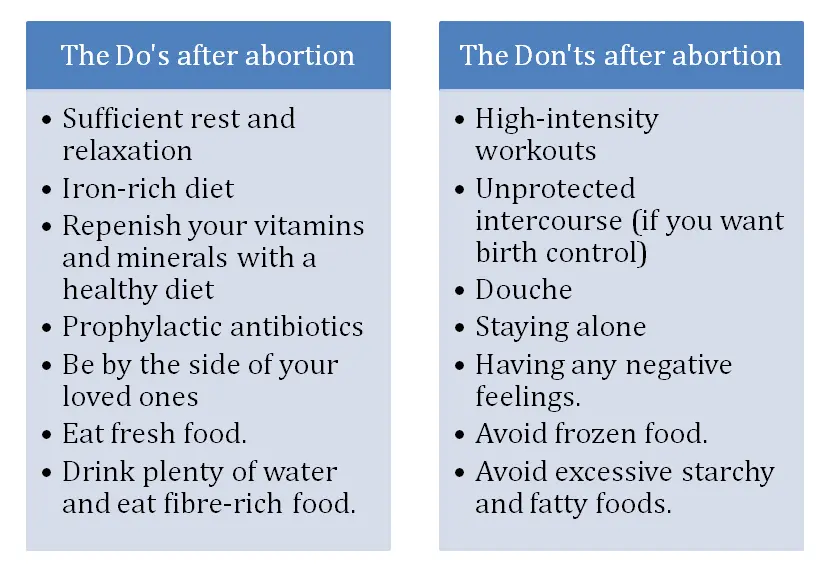
Recovering after a medical abortion involves taking care of your body and mind. Following proper post-abortion care helps speed up recovery and minimizes the risk of complications.

Post-abortion recovery
1. Rest and Recovery
After a medical abortion, your body needs time to heal. So, rest for the first few days, even if you feel well enough to resume activities. Besides, avoid heavy lifting, intense exercise, or strenuous tasks until your doctor gives you the all-clear. However, light activities like walking and light yoga are fine and can even help ease cramps. So, listen to your body and allow yourself enough time to regain your strength.
2. Managing Pain and Cramps
Cramps are a common part of the recovery process as your uterus contracts to return to its normal size. Use pain relievers recommended by your doctor, such as ibuprofen, to ease discomfort. Besides, applying a hot water bottle or heating pad to your lower abdomen can provide additional relief. However, if the pain becomes severe or doesn’t improve with medication, contact your doctor.
3. Hygiene and Infection Prevention
Maintaining hygiene is essential to prevent infections. Use sanitary pads instead of tampons or menstrual cups to avoid introducing bacteria into the vagina. Avoid sexual intercourse, douching, or inserting anything into the vagina until the bleeding has stopped. Change pads regularly and clean the genital area with warm water.
Post Abortion Care and Recovery at American Hospital Bangalore
Do not use harsh soaps or chemicals. Water alone is sufficient to keep your hygiene. Do not use anything that can alter the vaginal pH or disrupt the microbiome ecosystem there. Any disturbance to the vaginal flora (microbiome) can let harmful bacteria take over and it can result in bacterial vaginosis or any other infection caused by microorganisms like yeast infection.
Protection of your vaginal health by practising healthy hygiene can even prevent problems like chronic pelvic inflammatory disease.
4. Diet and Nutrition
A balanced diet helps replenish nutrients lost during bleeding. Focus on iron-rich foods like spinach, red meat, and beans to combat any risk of anaemia. Include plenty of fruits, vegetables, and whole grains to boost your immune system and energy levels. Stay hydrated by drinking enough water or liquids like juices or fresh coconut water or beverages like Ginger tea, buttermilk, etc. throughout the day.
5. Emotional Care
Experiencing a mix of emotions is a normal part of recovery after a medical abortion. You may feel relief, sadness, isolation, anxiety, guilt or sometimes nothing at all which can keep you entangled in a loop of mixed emotions. Give yourself sufficient time and space to process your feelings. Some women may find comfort in isolation while others may need someone to talk to.
If you’re struggling emotionally, talk to a trusted friend, partner, or counsellor. Support groups or hotlines can also provide comfort and understanding. Remember, seeking help for emotional well-being is just as important as physical recovery.
6. Tracking Your Menstrual Cycle
Your menstrual cycle usually resumes 4–6 weeks after a medical abortion. Track your cycle using a calendar or app to monitor when your period returns. This helps you identify any irregularities or delays. If your period doesn’t return within two months or you notice unusual symptoms, consult your doctor.
If you have unprotected intercourse before your first period, be aware that pregnancy is possible. Use reliable contraception to prevent unintended pregnancies. Your doctor can guide you on the best contraceptive method for your needs as a part of the post-abortion consultation.
Besides, you can also get an Intrauterine Device (commonly known as Copper-T) or other hormonal implants, if eligible after the abortion. This can help you prevent future unwanted pregnancies and save you from going for another abortion.
By following these self-care tips, you can ensure a smoother recovery. Always prioritize your health and consult your doctor if anything feels off.
The Takeaway:
Understanding what to expect after a medical abortion can ease concerns and help you manage your recovery confidently. While every woman’s experience is unique, knowing what’s normal and when to seek help ensures a smoother journey.
Spotting, bleeding, and cramping are common post-abortion symptoms, but it’s important to recognize potential signs of complications. Heavy bleeding, severe pain, or prolonged symptoms may indicate an incomplete abortion or infection. In such cases, seeking immediate medical attention is essential for your safety.
Taking care of yourself after a medical abortion is just as important as the procedure itself. Rest, proper hygiene, a balanced diet, and tracking your menstrual cycle can help you recover fully and regain control of your health. Don’t forget to address your emotional well-being too; it’s natural to feel a range of emotions, and support is available if needed.
Remember that your doctor is your best ally during this time. They can diagnose and treat complications, answer questions, and provide personalized guidance. Keeping open communication with your healthcare provider ensures that you’re well-supported throughout the recovery process.
We hope this guide has helped clarify what to expect and how to care for yourself after a medical abortion. Your health and well-being are priorities, and we’re here to support you every step of the way. Your valuable comments are welcome. For personal queries, you can always leave us a text on WhatsApp or through message.
If you have any concerns or need assistance, don’t hesitate to reach out to your healthcare provider. Empower yourself with knowledge and take the steps needed for a healthy recovery. You’re not alone—help and support are always within reach only if you are willing to take a step towards a healthier you.
Schedule a consultation with our abortion doctor.
Related Posts:
- The period after abortion: What to expect, how to deal with
- Is abortion in Dubai legal for foreigners? UAE abortion laws
- What to do Next Once you Arrive at the Airport for Abortion in India?
- Top 5 Reasons for a Woman in Dubai to Get Safe Abortion in India
- Spontaneous Abortion: What, When & How Guide for UAE Women


Leave a Comment