
Spontaneous Abortion: What, When & How Guide for UAE Women
Contents of This Post:
- Understanding Spontaneous Abortion: What is Spontaneous Abortion? Common Causes of Spontaneous Abortion & Symptoms of Spontaneous Abortion in UAE
- Seeking Medical Help: When to See a Doctor for Abortion? What to Expect During a Doctor’s Visit
- Treatment and Recovery: Medical Management of Spontaneous Abortion, Recovery and Healing Process
- Emotional Support: Coping with Loss and Grief & Seeking Counselling and Support
- Legal and Ethical Considerations: Abortion Laws in the UAE & Understanding Your Rights
- Trying Spontaneous Abortion for abortion in the UAE
- Alternatives to UAE: Seeking Abortion Care in India: The Benefits of Travelling to India for Abortion; Finding a Reputable Clinic in India & Legal and Ethical Considerations in India for abortion of international patients
Spontaneous abortion, also known as miscarriage, can be a devastating experience. It’s important to understand the causes, symptoms, and available options. This guide will provide you with valuable information to navigate this difficult time.
In the UAE, spontaneous abortion is a sensitive topic. However, it’s essential to be aware of your rights and options. This post will explore the legal and ethical considerations surrounding spontaneous abortion in the UAE, as well as alternative paths for women seeking abortion care.
Understanding Spontaneous Abortion in the UAE
Spontaneous abortion, commonly referred to as a miscarriage, is the loss of a pregnancy before the 20th week of gestation. That’s the loss where no fetus has so far survived outside the womb. Do you know the youngest surviving fetus in the world until today? Curtis Zy-Keith Means from the USA holds the record for the world’s most premature surviving baby, born at a remarkable 21 weeks and one day.
So far, no baby born before this has made it to living. Spontaneous abortion is a common occurrence, affecting around 15-20% of pregnancies. While it can be a troubling experience with a wanted pregnancy, it’s important to remember that it’s not your fault. Also, it doesn’t reflect your ability to have a healthy pregnancy in the future.
Causes of Spontaneous Abortion
The exact cause of a spontaneous abortion is often unknown, but several factors can contribute, including:
- Chromosomal abnormalities: These are the most common cause of spontaneous abortions, particularly in the first trimester.
- Hormonal imbalances: Issues with hormones like progesterone or thyroid hormones can disrupt the pregnancy. It is very important to maintain a balance of hormones to sustain a pregnancy. And that’s why visiting your gynecologist early during your pregnancy can help in preventing spontaneous abortion due to hormonal imbalance. Sometimes, natural micronized progesterone, usually named, Cutipreg and sometimes, hCG injections are administered during the first trimester. These ensure a balance among hormones and a healthy pregnancy. Any disruption in this can cause a spontaneous abortion.
- Uterine abnormalities: Structural problems with the uterus, such as fibroids or polyps, can interfere with implantation or fetal development. Sometimes, the gestational sac is very close to a fibroid or polyp and prevents the fetus from progressing healthily. Such a pregnancy can spontaneously get removed from the womb.
- Infections: Infections can lead to inflammation and tissue damage, affecting the pregnancy. Many infections, like Pelvic Inflammatory Disease (PID), can make the implantation difficult. It may also lead to a miscarriage even after successful implantation.
- Medical conditions: Underlying health conditions like diabetes, high blood pressure, or autoimmune diseases can increase the risk of miscarriage.
- Lifestyle factors: Additionally, smoking, excessive alcohol consumption and drug use can also contribute to spontaneous abortion.
Symptoms of Spontaneous Abortion:
The symptoms of spontaneous abortion can vary, but they often include:
- Firstly, vaginal bleeding which may initially begin as spotting, eventually increasing in intensity and the size of clots being passed.
- Secondly, abdominal cramping or pain, similar to or more than that of menstrual cramps.
- Tissue passing from the vagina.
- Backache
- Pelvic pressure
If you notice any of these symptoms while pregnant, it can cause concern. So, don’t delay. See a doctor right away.
Moreover, it’s essential to remember that spontaneous abortion is not a reflection of your health or ability to have a healthy pregnancy in the future. Many women who experience a miscarriage go on to have successful pregnancies later.
Seeking Medical Help for Spontaneous Abortion
If you suspect you’re experiencing a spontaneous abortion, it’s crucial to seek medical attention immediately. A healthcare provider can confirm the diagnosis, evaluate your condition, and provide appropriate care.
When you see your doctor, expect:
- Medical history review: Your doctor will ask about your symptoms, medical history, and recent activities. It is important to tell your doctor anything unusual that happened. In addition, if there are any known allergies, make your doctor informed about them. Also, if you have been taking any medicines or stopped any medicine for any medical condition, it’s crucial for your health for your doctor to be known of these.
- Physical examination: Next, a pelvic exam will be conducted to assess your condition. Also, the fetal heartbeat may be checked with the Doppler to see if it’s fine or not.
- Ultrasound: Following these examinations, an ultrasound can help determine and confirm if the pregnancy is still viable or if it has ended. Additionally, it can also determine if the spontaneous abortion was incomplete by detecting any remaining pregnancy tissue.
- Blood tests: Furthermore, blood tests may be ordered to check your hormone levels and rule out other medical conditions. Additionally, if any medical procedure like Gentle Care suction or Dilatation & Evacuation (D&E) is necessary for completing the abortion.
Once your doctor has reviewed the results, they’ll talk to you about your treatment options. In some cases, no medical intervention is necessary, as the body will naturally expel the pregnancy. However, if you’re experiencing severe bleeding or pain, you may require medical treatment. Also, you may need a surgical abortion in case the pregnancy has ended but not yet expelled. That’s a case of an incomplete abortion and needs treatment to complete it at the earliest.
It’s crucial to follow your doctor’s advice closely and attend all follow-up appointments. This ensures a smooth recovery and helps prevent any potential complications. This will help ensure a safe and complete recovery.
Treatment and Recovery from Spontaneous Abortion
The treatment for spontaneous abortion depends on the stage of pregnancy and the severity of your symptoms. In many cases, no medical intervention is necessary, as the body will naturally expel the pregnancy or may have already by the time you seek medical help.
However, if you’re experiencing severe bleeding or pain, you may require medical treatment. This may include:
- Medication: Pain relievers to manage discomfort.
- Dilatation and curettage (D&C): A procedure to remove any remaining tissue from the uterus, just as mentioned above in case of an incomplete abortion.
- Suction curettage: A less invasive procedure to remove tissue from the uterus. UAE women can also reach out for Gentle Care suction abortion available at one of the best abortion hospitals in India catering to international patients, American Hospital Bangalore.
- Dilatation and Evacuation (D&E): It is also a similar procedure to D&C but is more advanced and less invasive. With D&E in comparison to D&C, risks and complications are lesser as there is no scraping of the uterine lining. As a result, there are minimum chances of adhesions and other post-surgical complications. D&E is also available at the American Hospital Bangalore.
Recovery from spontaneous abortion can take several weeks. It’s important to rest, avoid strenuous activity, and pay attention to your body’s signals. You may experience some bleeding and cramping for several days or weeks. If you’re planning to get pregnant again, it’s recommended to wait for at least one or two menstrual cycles before trying. This allows your body time to recover and regulate its hormones.
Emotional Support After Spontaneous Abortion
Spontaneous abortion in UAE or anywhere in the world can be a distressing experience. It’s normal to feel a range of emotions, including sadness, grief, anger and guilt. It’s important to allow yourself to grieve and process your feelings healthily. Remember, you have to come out of this stronger, better and healthier for a better tomorrow and it starts today.
Here are some tips for coping with emotional distress:
Open up and Share your burden:
Let someone know how you’re feeling. Talk to someone who will understand what you are going through. Sometimes, even when someone cannot do anything for you, just having a listening and understanding someone by your side can give you relief.
Join a support group:
Connecting with others who have experienced a miscarriage can provide comfort and understanding. Also, they can help you with techniques and ideas that have helped them cope. They may work for you too.
Seek professional help:
If you’re struggling to cope, consider talking to a mental health professional. Don’t let your loss and grief turn to depression or anxiety or any other psychological distress. We understand that your loss is big, but what is bigger is that you still can get pregnant and deliver a healthy baby.
And for this healthy baby, you will have to have happiness both within and outside yourself. Only a healthy and happy mother can make and raise happy kids. Gather your strength, take time to grieve but don’t let your emotions overtake. If you are struggling to do this alone or with a loved one, you may consider a counsellor who can help you find closure and show you the path to a happy beginning.
Practice self-care:
Engage in activities that promote relaxation and well-being, such as yoga, meditation, or spending time in nature. You can also try things that bring you joy. Remember, it’s just a phase of life and it too shall pass.
Be patient with yourself:
Healing takes time, and it’s okay to feel a variety of emotions. Allow yourself to find a closure for a new beginning. Sunshine follows every dark day but you cannot try to shorten the night only by overthinking. Let the night pass and wait for sunshine to make you feel better. Give yourself the time and space you may need during this hour.
Legal and Ethical Considerations in the UAE
The UAE has specific laws and regulations regarding abortion. While the country has made strides in women’s rights, it’s important to understand the legal framework surrounding spontaneous abortion.
Key points to remember:
- Spontaneous abortion is not considered a crime in the UAE while induced abortion is a crime except for when it is necessary to save the woman’s life or severe fetal deformities have been detected. Otherwise, in all other cases, you may not get a legal abortion in UAE.
- Although spontaneous abortion in UAE isn’t a crime, it’s essential to seek medical attention and follow the prescribed course of treatment.
- If a doctor suspects foul play or intentional termination of the pregnancy, legal action may be taken. If you try induced abortion by unsafe abortion methods, the doctor can know if you have taken abortion pills or tried another method.
- It’s crucial to consult with a healthcare provider who is familiar with the UAE’s abortion laws. They can provide guidance and ensure that you’re following the correct procedures.
If you’re facing a spontaneous abortion, seek medical help and understand your rights within the UAE’s legal framework.
But, don’t try to misrepresent an induced abortion as a spontaneous abortion because abortion in UAE is highly restricted. You will not only put yourself at the risk of legal consequences but also risk your health and life. Some of the risks are even beyond repair. You may lose your fertility and even your life. So, prioritize your wellbeing.
Women trying unsafe abortion in UAE using spontaneous abortion as a shield.
Many women in the UAE try to obtain a spontaneous abortion for unwanted pregnancies using unsafe methods. Most of them rely on consuming a lot of raw papaya for abortion only to be ending with failed abortions, gastric discomfort and other complications. Many others rely on unsafe abortion pills available from illegal suppliers only to make money out of vulnerable situations of women struggling with unwanted pregnancies.
Since abortion in UAE is illegal, most women try to obtain a miscarriage using these unsafe methods. They try to show it as a spontaneous abortion in the eyes of the law, if caught or to receive medical aid in emergencies. But again, the hospitals can report it to authorities where the medical board will decide if it’s an abortion attempt or an actual spontaneous abortion.
Furthermore, if the woman is unmarried, she is still liable for punishment. The law will see her a criminal for getting pregnant without marriage even if the law believes it to be a spontaneous abortion.
But, women, you do have safe abortion options and so, please do not rely on unsafe choices. We will come to your safe abortion options ahead in the post.
Alternatives to UAE: Seeking Abortion Care in India
If you’re unable to obtain the desired care in the UAE, India offers a more liberal abortion law. Many women from the UAE choose to travel to India for safe and legal abortions.
Key benefits of seeking abortion in India include:
- More permissive laws: India’s Medical Termination of Pregnancy (MTP) Act allows abortions under a wider range of circumstances.
- Experienced healthcare providers: India has a large network of qualified gynecologists, abortion providers and fertility specialists.
- Affordable options: Compared to some Western countries, abortion in India is often more affordable.
- Accessible travel: India is well-connected to the UAE, making it easy to travel for medical procedures. Additionally, the countries are well-connected with regular flights and that too at very affordable prices. Check out.
Do you know, you can travel to India, stay here for a day or two, get an abortion procedure and return to UAE for a lesser amount that you may pay for buying illegal abortion pills or have to pay as a fine if caught of an abortion attempt? So, why risk your life and health while also getting financially drained to someone making money out of your vulnerable situation?
Finding a Supportive Clinic: American Hospital Bangalore
When facing spontaneous abortion, finding a supportive and experienced healthcare provider is crucial. American Hospital Bangalore offers comprehensive care for women experiencing miscarriage and those seeking safe and legal abortions.
Abortion in UAE is restricted but you still can have a legal abortion in India. Abortion in India rules are women-friendly and allow any woman seeking an abortion up to 20 weeks to obtain it safely and legally at a registered abortion clinic with her consent only (above 18 years old). Furthermore, she can obtain it even as an unmarried woman. So, do not try to fake an induced abortion for a spontaneous abortion in UAE.
Our team of skilled gynecologists is dedicated to providing compassionate and personalized care. We understand the emotional and physical challenges you may be facing and are here to support you every step of the way.
At American Hospital Bangalore, we offer:
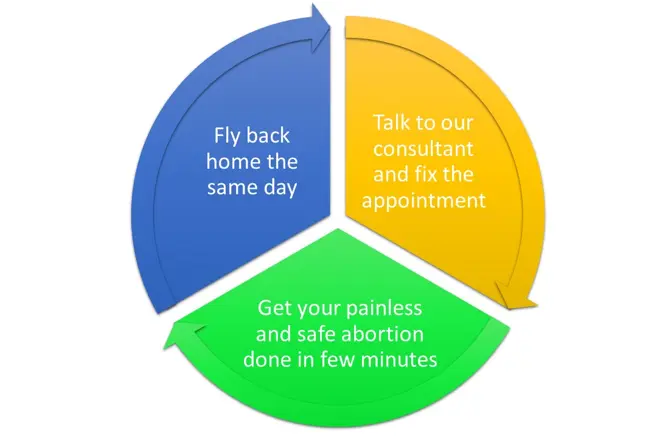
- Comprehensive Abortion Care (CAC): From initial diagnosis to post-abortion support, we provide a holistic approach. You can get a consultation, diagnostic tests, procedure and post-abortion consultation all on a single appointment on the same day. So, no multiple appointments, no waiting periods and no hassle of overnight hospital stay.
Abortion in India
- Advanced facilities: Our state-of-the-art facilities ensure a safe and comfortable environment. Hygienic premises assure you an infection-free abortion. Additionally, we have all the facilities for you and your partner to stay comfortably as long as you are at our clinic.
Hygiene matters
- Experienced gynecologists: Our team of specialists is dedicated to your well-being. Our gynecologists are highly qualified and have an experience of more than 30 years which speaks volumes of what a smooth procedure you can expect with us.
- Compassionate support: We understand the emotional impact of miscarriage and offer counselling services.
Gentle Care abortion procedures:
We offer a range of safe and effective abortion methods. We have pioneered Gentle Care abortion procedures, which are not only safe but also effective and can give you the confidence of a successful procedure before you leave our premises.
Our Gentle Care abortion procedures are technically advanced in both technique and instruments used with doctors highly experienced in conducting them with precision. Furthermore, they are so comfortable that you can obtain a positive and painless abortion experience.
Gentle Care procedures are minimally invasive and designed to minimize discomfort. They are suitable for women who wish to avoid surgical procedures or have specific medical concerns, like diabetes, hypertension, anemia, metabolism disorders or any other kind of problems. Abortion pills, also known as medical abortion, are not suitable for everyone. Certain medical conditions and circumstances may make a person ineligible for this method.
Such women can easily undergo a Gentle Care suction abortion. Also, due to discomfort, risk of failed or incomplete abortion, need for multiple appointments, a long waiting period to be sure of a successful procedure, pain, heavy bleeding and disruption to routine abortion pills are a very less likely choice for women travelling to India for abortion from cities like Dubai, Abu Dhabi, Sharjah, Ras Al Khaimah, Al ain, Fujairah, Ajman, Khor Fakkan and others.
All such women who want to get an abortion within the first 20 weeks can obtain it in Bangalore, India at our boutique clinic with safety, convenience and confidentiality.
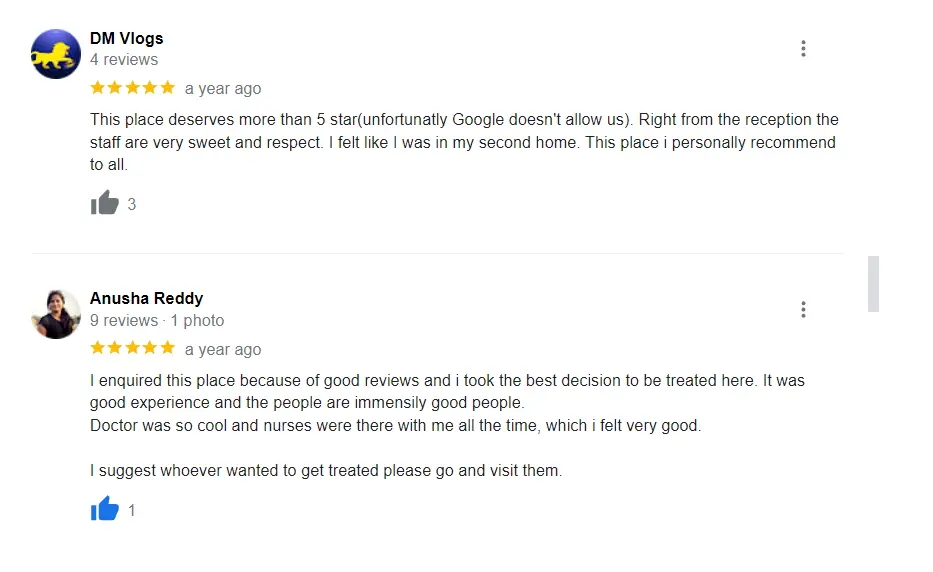
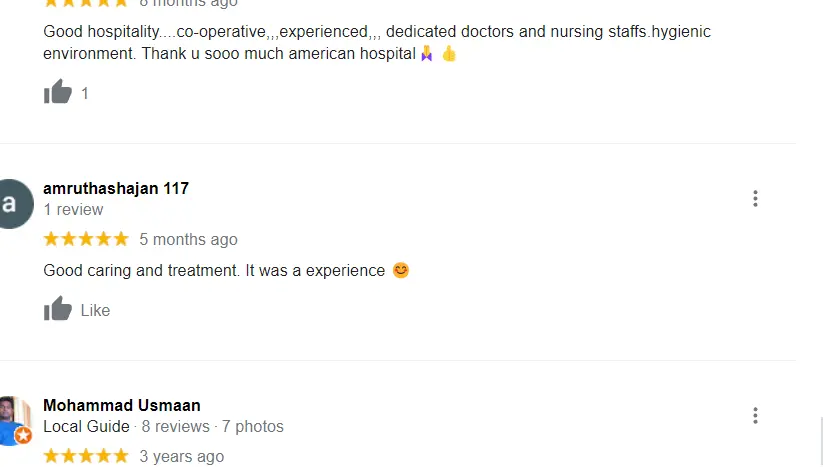
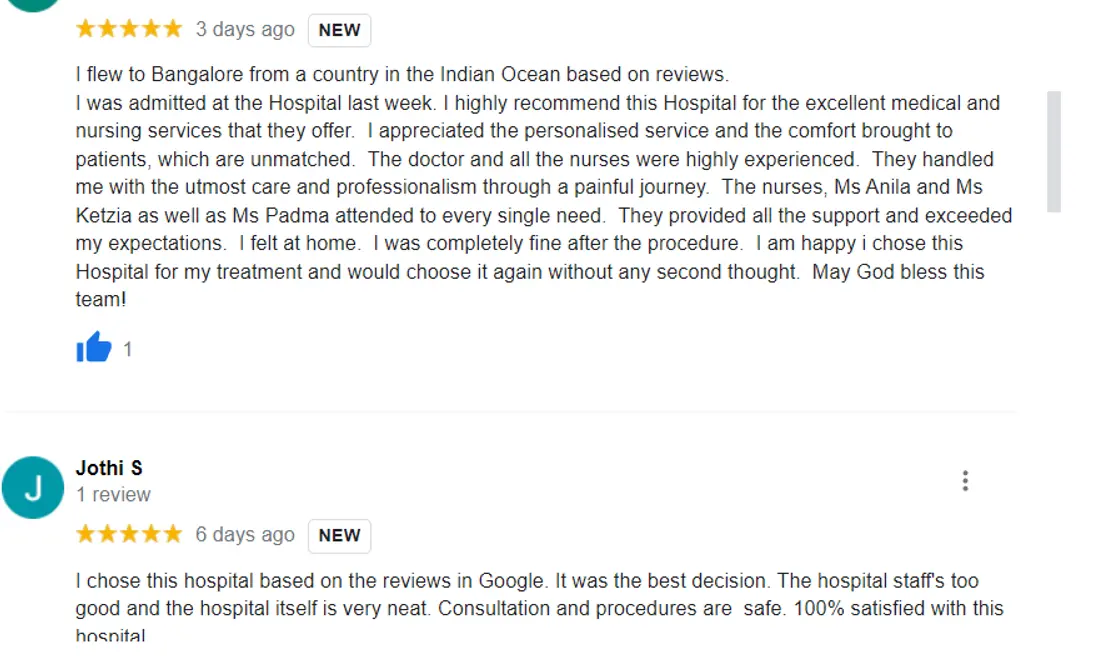
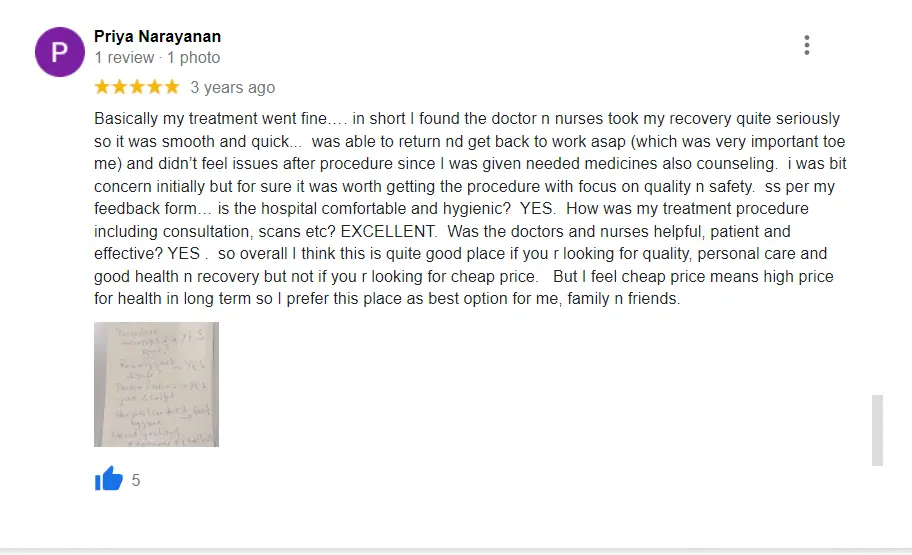
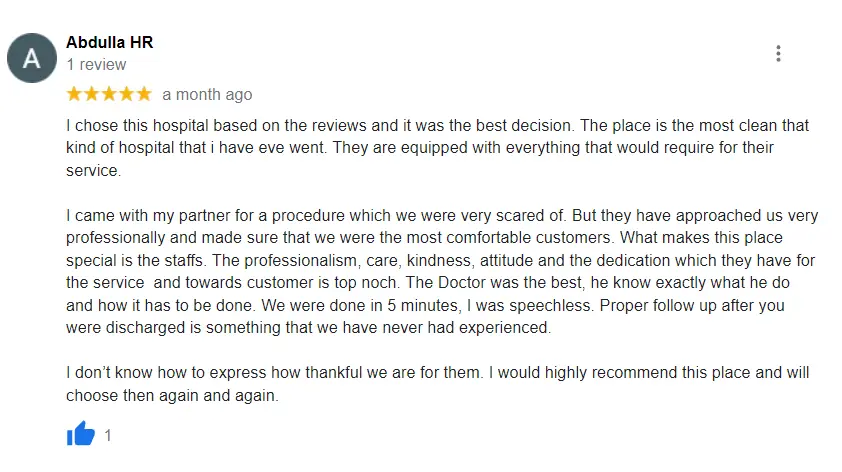
Check out our American Hospital Bangalore reviews from our past patients from UAE and other countries.
Abortion in India for overseas patients
Abortion in India for foreigners
Cost of abortion
Abortion in India
By choosing American Hospital Bangalore, you’re choosing a partner committed to your health and well-being. We’re here to support you throughout this difficult time.
Contact us today to schedule a consultation and learn more about our abortion services.
Related Posts:
- Crossing Borders for Choice: Safe Abortion for UAE Women
- Unwanted Pregnancy in the UAE? Do This Immediately
- What is the Cost of Having an Abortion in the UAE?
- Abortion in Dubai: Laws, Methods, Cost & Safe Alternatives
- Guide to Safe & Legal Abortion in India for Filipinas in UAE


Leave a Comment