

Abortion Laws in India: Equal for Unmarried & Married Women
Contents of This Post:
- Introduction: A Landmark Shift Towards Equality
- The Legal Framework: Understanding the MTP Act (As Amended)
- A Direct Message to Unmarried Women in India: Your Rights and Safety
- For Our International Readers: What Indian Abortion Law Rewards You With?
- How to Find Safe, Non-Judgmental Abortion in India Care?
Hello there. If you’re reading this, you might be feeling scared, confused, or alone. Maybe you’re facing an unexpected pregnancy and think you have no good options. The fear can feel overwhelming, especially if you believe the law is not on your side.
Now, we want to start by telling you something crucial: In India, the law sees you regardless for your marital status and protects your right to choose abortion as healthcare.
Abortion in India is Equal for Married and Unmarried Women
Let’s clear this up immediately with the most important fact: In a landmark 2022 decision, the Supreme Court of India affirmed that all women—including unmarried women—have equal access to safe and legal abortion. This ruling fundamentally changed the landscape, separating the right to safe healthcare from marital status.
Yet, we know that a law on paper doesn’t always ease the fear in someone’s heart. Many women still turn to dangerous, unsafe methods. They might do this because they don’t know their rights. Additionally, stigma makes them seek secrecy. Or only because they feel they have nowhere else to turn. The World Health Organisation (WHO) states that unsafe abortions are a leading cause of maternal death worldwide, but they are also entirely preventable with access to correct information and safe services.
This post is a safe space for information. We will walk you through what the law actually says, why safe clinical care is your best option for privacy and health, and how to access it. Whether you are in India or reading this from another country, we want to empower you with knowledge because your well-being matters most.
Ready to understand your rights and the safe path forward? Let’s begin.
The Legal Framework of India’s Abortion Laws: Your Rights, Clearly Explained
So, let’s talk about the India’s abortion law that protects your choice. It’s called the Medical Termination of Pregnancy (MTP) Act, and recent changes have made it more progressive and inclusive.
For decades, people misunderstood the law. Many believed it only protected married women. But in September 2022, the Supreme Court of India profoundly changed this narrative. The Court made a landmark ruling: the right to make this deeply personal choice flows from your bodily autonomy, not your marital status. So, the law now explicitly states that unmarried and married women have the same right to safe and legal abortion services.
Here’s what the MTP Act means for you in simple terms:
- Firstly, Whose Consent Matters? Your consent is the only consent required. So, you do not need permission from a spouse or a parent if you are an adult. Hence, the law recognises you as the sole decision-maker.
- Secondly, Your Privacy is Protected. So, registered doctors and clinics have a strict duty to protect your confidentiality. Hence, your personal information and medical details remain private.
Understanding the Timeframes. The law provides clear gestational limits for safe abortion access:
- Firstly, up to 20 weeks: One registered doctor can provide care.
- Secondly, between 20-24 weeks: Two doctors must approve, based on specific criteria including mental health, rape survivors, or substantial fetal abnormality. Also, the 2022 ruling importantly recognised that a change in marital status (like a breakup) could cause significant mental anguish, creating a pathway for many unmarried women in this category. Earlier, amendment to MTP Act in 2021 allowed abortion in India for unmarried women on the ground of contraceptive failure, which earlier was restricted to married women only.
- Beyond 24 weeks: A special medical board can approve termination in cases of severe fetal abnormalities.
A crucial note about “abortion pills” as per Indian Abortion Law:
Drugs like Mifepristone and Misoprostol are highly effective and safe, but only under medical guidance. Also, a qualified doctor must confirm your pregnancy’s stage and rule out any conditions (like an ectopic pregnancy) that could make it unsafe. If eligible, then, they will provide you with the correct dosage and crucial aftercare instructions. Obtaining these pills without a prescription and medical oversight carries significant health risks.
The law’s central principle is clear: Your choice and your health are paramount. So, the system aims to provide you with safety and dignity, not to create barriers.
A Direct Message for Unmarried Women in India: Your Health and Safety Come First
We see you. Besides, we know you might be reading this with a racing heart, feeling alone and scared of what comes next. The fear of judgment, the worry about your family finding out, and the overwhelming pressure of an unwanted pregnancy can feel isolating. Additionally, we realize that in this fear, you might think that a quick, secret solution you find through a friend is your only way out.
But, let’s speak honestly about that path for a moment. When fear guides us toward unregulated clinics, unverified pills from unknown sources, or other unsafe methods like consuming papaya for abortion, it risks your most important asset: your health, your life, your fertility and your future.
The Hard Truth About “Secret” Unsafe Abortions
Now, we need to be very clear. The WHO states that unsafe abortions are a leading cause of maternal mortality worldwide. So, what makes an abortion “unsafe”? It is any procedure done either by a person lacking the necessary skills or in an environment that does not meet minimal medical standards.
Choosing an unsafe path to keep a secret can lead to:
- Firstly, an incomplete abortion, causing severe pain, prolonged bleeding, and infection.
- Secondly, damage to internal organs like your uterus or intestines.
- Thirdly, severe, life-threatening infections or sepsis.
- Finally, long-term complications, including chronic pain or infertility or you may the cost of an unsafe abortion with your life.
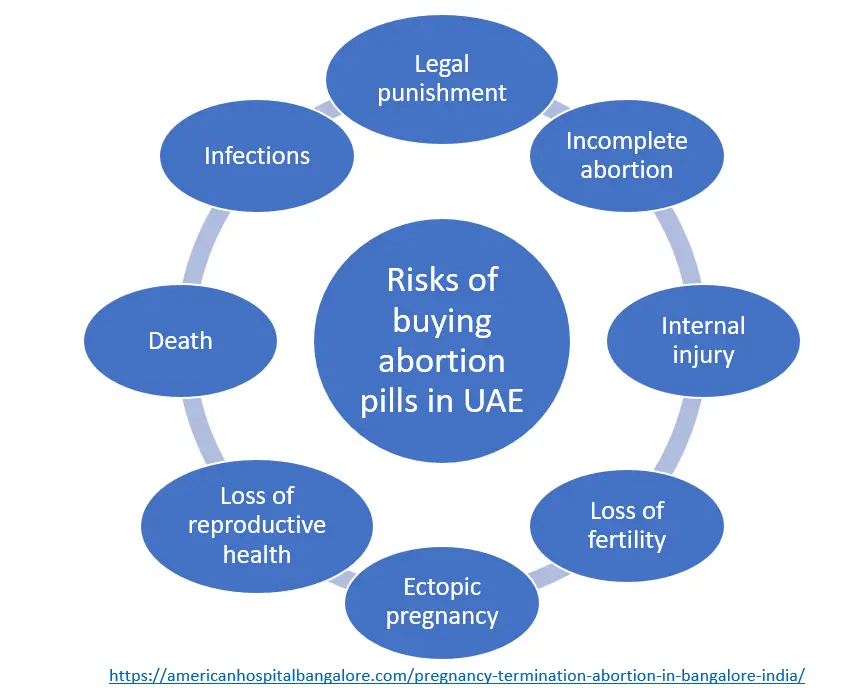
Abortion pills in UAE
The tragic irony is that the quest for secrecy can lead to a medical emergency that makes the private situation very public, very quickly.
Your Truly Safe and Confidential Path: The Legal Clinic
Now, let’s talk about the reality of a legal, safe abortion. Choosing a registered abortion clinic or hospital is your most powerful tool for true privacy, safety, and peace of mind.
Here’s why:
- Firstly, Confidentiality is Your Legal Right. The MTP Act mandates that all your details remain private. So, doctors and staff follow strict professional codes. Hence, they will not share your information with anyone without your explicit consent.
- Secondly, It is Medically Safe. A qualified doctor will ensure the procedure happens in a sterile environment with the correct abortion method for your stage of pregnancy. Besides, they will manage pain effectively and provide clear aftercare instructions to prevent complications and protect your future reproductive health.
- Next, You Receive Non-Judgmental Support. Reputable clinics, like American Hospital Bangalore, are recognised and appreciated for their services and provide care without stigma. Their job is to support your health, not to judge your life choices. Also, you have the right to ask questions and receive respectful care.
-

Abortion in India
- Finally, It Empowers You with Control. Walking into a safe clinic means taking control of your health and your future on your terms. You make the informed choice, and professionals provide the safe, expert care you deserve.

So, you do not have to choose between your safety and your privacy. The law and the medical system provide a way to protect both.
For Our International Readers: What Indian Abortion Law Rewards You With?
If you are reading this from another country where access to safe abortion is restricted, expensive, or stigmatised, you might be wondering if India could be an option for you. We want to provide you with clear, honest information to help you make an informed decision.
So, this section is for you, our dear readers from the UAE, Kuwait, Bahrain, Oman, Philippines, Maldives, Sri Lanka, Mauritius, Indonesia, Singapore, Bhutan, Qatar and from any part of the world.
Is abortion in India legal for international patients?
First, the straightforward answer: Yes, foreign nationals can legally access safe abortion services in India. The Medical Termination of Pregnancy (MTP) Act does not prohibit registered clinics from providing care to non-citizens. The same legal principles of confidentiality and safety apply to you.
Key Considerations for Medical Travel
If you are considering travelling to India for this purpose, careful planning is essential for your health, safety, and peace of mind. Here are the most important points to consider:
1. Firstly, Finding the Right Abortion Clinic and Making Contact
Your first and most crucial step is to find a reputable clinic or hospital that explicitly accepts international patients. We strongly recommend you:
- Contact the clinic directly first. Do not finalise travel plans without a confirmed consultation. Use email or international phone calls to explain your situation, confirm they treat foreign patients, and understand their specific requirements.
- Verify their credentials. Ensure the facility is approved under the MTP Act and that the doctors are Registered Medical Practitioners (RMPs). You can ask for this information during your communication.
- Ask detailed questions. Inquire about the cost of abortion (consultation, procedure, any required tests), expected timelines, documentation needed (like your passport and visa), and the type of accommodation they recommend for recovery.
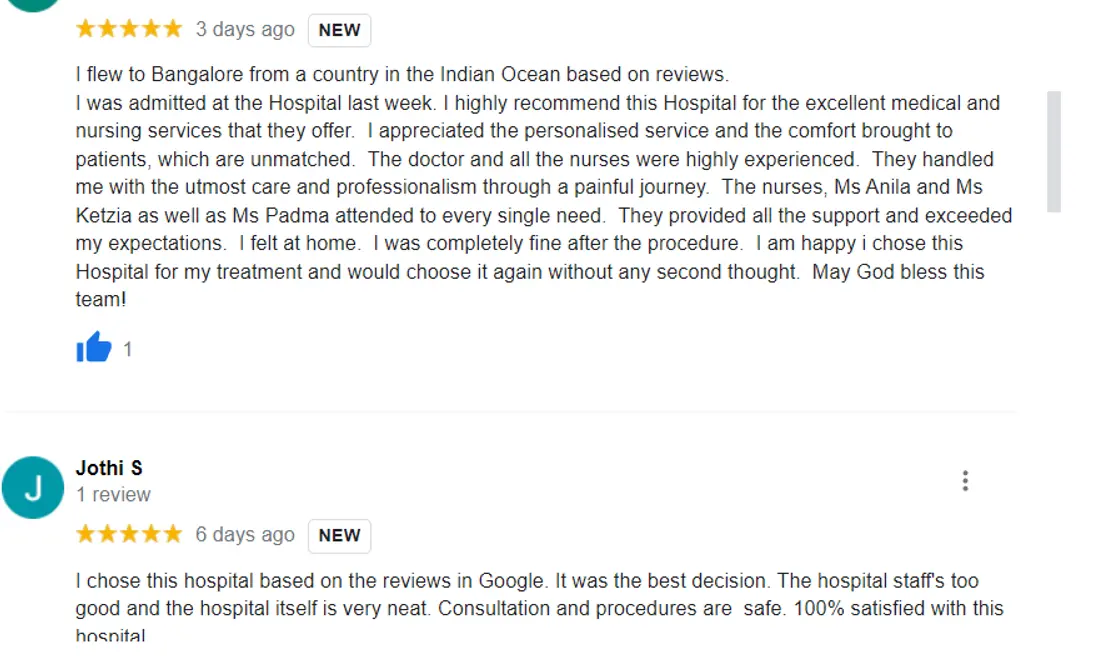
Abortion in India for overseas patients
2. Secondly, Navigating Cultural and Logistical Aspects
Travelling to a new country for healthcare can feel daunting. Knowing what to expect can help you feel more in control.
Language:
While English is widely used in Indian medical institutions, especially in major cities, confirming that the doctor and staff you will interact with are fluent in English is important for clear communication about your care. Besides, some clinics like American Hospital Bangalore have multilingual personnel to help with easy communication. Furthermore, Google Translate can help you have a hassle-free discussion with the abortion doctor with an easy understanding for you without any communication gap.
Cultural Context:
You may find that doctors in India can be direct in their questioning. However, they may never ask you a question that is not medically relevant. So, you do not have to fear any prejudice or stigma from the medical fraternity. Furthermore, providing a clear and honest medical history is vital for your safety. Remember, their primary goal is to provide you with safe care. Regarding compassion, your first communication with the hospital may be sufficient in addressing your concerns. The tone of the person on the other end can help you have an idea as to what to expect from your treatment at that hospital.
Logistics and Support:
Plan for your stay. Consider how long you might need to be in the country (for consultation, the procedure, and a post-procedure check-up). Having a trusted friend or partner travel with you for emotional and logistical support can be invaluable. If travelling alone, choose accommodation close to the medical facility.
Gentle Care abortions at American Hospital Bangalore are single-appointment, same-day procedures. So, many international patients either plan their abortion on the weekend, helping them get back to their routine on Monday. Or sometimes, they even plan it as a short vacation, a break from routine on the Indian subcontinent. If you wish to stay for a couple of days, do visit some places and take back some memories from Bangalore. The following link will help you figure out some places to explore in Bangalore, with a few favourite picks you can return with. 6 Things to Bring Back to Dubai After an Abortion in India
While India offers a legal pathway, international medical travel is a significant decision. It involves considerable planning, cost, and being away from your usual support network. We encourage you to research thoroughly, ask every question you have, and prioritise clinics with a proven track record of professional and compassionate care for all patients, especially catering to abortion care patients from foreign lands.
Your health and safety are the absolute priorities. Ensuring you have a confirmed, clear plan with a legitimate healthcare provider is the most important step you can take in your abortion journey.
How to Find Safe, Non-Judgmental Abortion in India Care?
A Step-by-Step Guide
Taking the step to seek care can feel difficult, but you are entitled to a process that is safe, respectful, and confidential. This guide is designed to walk you through each step, whether you are in India or travelling from abroad.
Step 1: Understand the Critical “Where” – Only Use Registered Facilities
Your safety depends entirely on using a legally authorised provider. In India, abortions must be performed at a government hospital or a private clinic/hospital registered under the Medical Termination of Pregnancy (MTP) Act. This is non-negotiable.
However, while travelling from different cities like Coimbatore, Goa, Chennai, Ernakulam, Thrissur, Trivandrum, Palakkad, Kochi, Kozhikode, Mangalore, Hubli-Dharwad, Mysore or others, it is important to know the time frame in government hospitals. You may not get a single-appointment abortion in a government hospital.
The same is true for patients travelling from foreign cities like Dubai, Abu Dhabi, Sharjah, Fujairah, Khor Fakkan, Umm Al Quwain, Al Ain, Kuwait City, Muscat, Doha, Male, Singapore, Port Luis, Colombo, Kuala Lumpur, Jakarta, Thimphu or any other part of the world.
Private hospitals offer privacy and comfort at a level above what you can expect at a government hospital since you pay only a margin of the total cost owing to subsidy benefits. But, if you are looking for a completely private experience without waiting for hours or even days and get a successful abortion in a single appointment, visiting a private abortion clinic has its own merits.
Besides, you can also receive unmatched abortion care with a compassionate and dedicated nurse who can communicate in your language reserved only for you during your stay at the hospital.
Additionally, you can schedule an appointment as per your schedule and return to routine conveniently, which a government hospital may not provide you. Government hospitals usually cater to walk-in patients, and then they send you for diagnostic tests, and you may get another date for the procedure. This can disrupt your travel plans. On the other hand, you can plan a very short trip with your abortion at a private abortion hospital in India.
The Severe Risk of Unregistered Options:
Seeking help from unregistered providers or attempting to manage an abortion alone with pills obtained without medical supervision is extremely dangerous. Studies indicate that unsafe abortions are a leading cause of maternal mortality in India, with approximately eight women dying every day from related complications. A registered facility is designed to prevent these tragedies.
Your Legal Protection:
The law mandates that all registered providers protect your confidentiality. So, your identity and details cannot be disclosed.
Step 2: How to Verify a Clinic is Safe and Legal?
Do not rely on advertisements alone. Take these steps to verify a provider’s legitimacy:
During your initial contact, a trustworthy clinic will:
- Clearly explain the abortion process, abortion cost, and legal requirements.
- Never ask for spousal or family consent if you are an adult. The law requires only your consent.
For international patients, they should provide clear guidance on what to expect and the cost so that they can prepare before travelling to a foreign country. Besides, they may offer help with logistics and recommend safe and homely accommodation facilities near the hospital or the airport.
Step 3: The Consultation – What to Expect?
Your first and may be the only appointment (at a private is for assessment and support. A abortion hospital in India), a reputable doctor will:
- Confirm your pregnancy with an ultrasound to determine how many weeks along you are and ensure it is intrauterine.
- Discuss your options (medical or suction, or surgical abortion) based on your gestational age, your health and will also give preference to your priorities. She will inform you of the available choices with transparency on the benefits and demerits of each method. So, you should be in a better position to choose what feels best for your health that also aligns with your preferences.
For instance, some patients want the process to be quick and complete so that they can confidently leave the hospital knowing that the pregnancy is over. So, even if they are eligible for abortion pills, the doctor may recommend they undergo a Gentle Care suction abortion up to 12 weeks.
Similarly, some patients fear pain with abortion. Medical abortion with pills is a process that comes with abdominal cramps and pain. Hence, it may not be a suitable abortion method for such women. And for suction abortion also, these patients can receive anaesthesia or mild sedation to make it more comfortable for them.
- Provide non-judgmental counselling to address your concerns and ensure you are making an
informed decision.
- Explain the procedure, aftercare, and any risks involved.
Shall also discuss if you would like to get an intrauterine device (Copper-T) implantation at the same time, just after the abortion, to prevent future unwanted pregnancies.
Make sure you know what you are undergoing and are fully comfortable with it.
Step 4: Understanding the Procedures
There are three types of safe, legal abortion procedures:
- Medical Abortion: Involves taking prescribed medication (Mifepristone and Misoprostol) to end the pregnancy. Available Up to 5-6 weeks of pregnancy. It must be done under a doctor’s supervision. It is unsafe to use pills bought without medical guidance.
- Gentle Care Suction Abortion: A minor procedure (like vacuum aspiration) performed by a doctor in a clinic. Used for first-trimester pregnancies; can be performed up to the legal limit. Done under anaesthesia or sedation. For early pregnancies, it can be a very short procedure with discharge in a few hours.
- Surgical Abortion: A slightly invasive procedure involving removing fetal tissue by gently scraping the uterine wall to detach all products of gestation. Then, the process involves removing them safely using a vacuum known as Dilation and Evacuation. Discharge after a few hours of rest. Performed for second-trimester abortions.

Abortion Methods
Step 5: Post-Procedure Care and Support
Your care does not end with the procedure. A good provider will:
- Give you clear instructions for recovery and signs to watch for.
- Offer follow-up check-ups or virtual consultations, especially important for international patients.
- Provide information on post-procedure contraception to help you plan for the future.
Navigating Stigma and Finding Courage:
We acknowledge that, despite the legal rights, social stigma can be a significant barrier. Remember, the law is on your side. You are exercising a fundamental right to make decisions about your own body and future. Choosing a registered clinic is the bravest and safest step you can take to protect your health and well-being.
Schedule a Gentle Care abortion in India appointment.
Related Posts:
- Weekend Abortion Services for Working Women & Students
- How many abortions can a woman have? Abortion Doctor Answers
- What to expect from period after abortion? When to Worry?
- What to do Next Once you Arrive at the Airport for Abortion in India?
- Is it normal to feel guilty after an abortion?
Quick Links:
- How Indonesia’s Dairy Industry Affects Women’s Healthcare and Abortion Access?
- Explore How MediSave Benefits Apply to Abortion In Singapore
- McDonald’s French Fries After an Abortion in Singapore: Safe or Risky?
- Abortion Pills in Philippines: 7 Red Flags & What to Do Instead
- Heat, Humidity, and Healthcare: How Dubai’s Climate Influences Abortion Recovery


Leave a Comment